References
-
Şahinler N, Kaftanoğlu O., The effects of season and honeybee (Apis mellifera L.) genotype on acceptance rates and Royal jelly production. Turk. J. Vet. Anim. Sci. 29 499–503. (2005).
-
Akyol E., Arı sütünün önemi ve üretim teknikleri. Forth International Muğla Beekeeping and Pine Honey Congress 1–4 Marmaris/Muğla. (2013).
-
Korkmaz A, Akyol E (2015) Arı sütü üretimi. Ceylan Ofset 1. Baskı ISBN: 978-605-65564-0-1, Samsun. (2015).
-
Beltekin B, Demir N., Arı sütü üretimi ve bazı Biyoaktif özellikleri. Int. J. Food Agr. Ani. Sci. 2(1), 38–46. (2022).
-
Boselli E, Caboni MF, Sabatini AG, Marcazzan GL, Lercker G., Determination and changes of free amino acids in Royal jelly during storage. Apidologie 34: 129–137. © INRA/DIB-AGIB/ EDP Sciences. https://doi.org/10.1051/apido:2003011 (2003).
-
Korkmaz A., Anlaşılabilir arıcılık. Samsun Gıda Tarım Ve Hayvancılık İl Müdürlüğü Yayını, Samsun (2013).
-
Buttstedt A, Moritz RFA, Erler S., Origin and function of the major Royal jelly proteins of the honeybee (Apis mellifera) as members of the yellow gene family. Biol. Rev. 89(2), 255–269. https://doi.org/10.1111/brv.12052 (2014).
-
Sidor E, Miłek M, Zaguła G, Bocian A, Dżugan M., Searching for differences in chemical composition and biological activity of crude drone brood and Royal jelly useful for their authentication. Foods, 10(9), 2233. https://doi.org/10.3390/foods10092233 (2021).
-
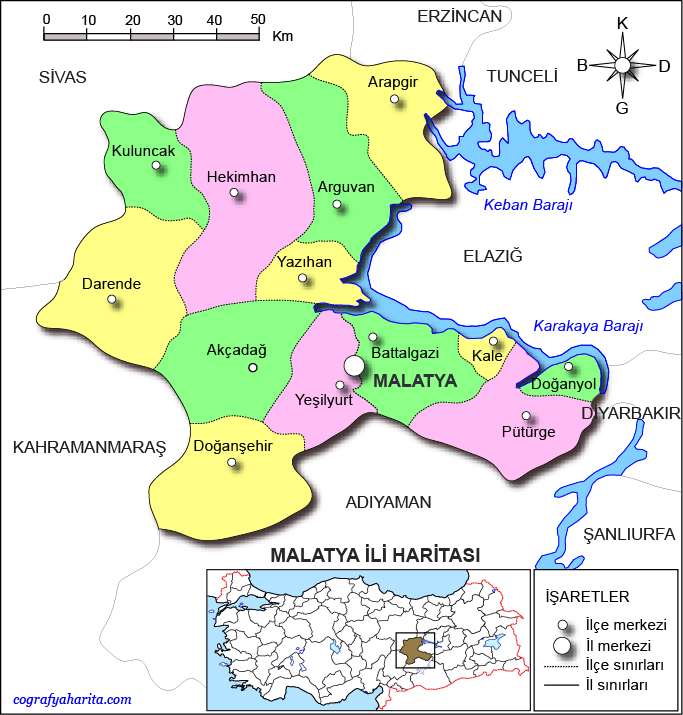
Anonymous., http://cografyaharita.com/haritalarim/4l_malatya_ili_haritasi.png (2025).
-
Anonymous., https://geohack.toolforge.org/geohack.php?pagename=tr:Uluk%C3%B6 (2025).
-
Anonymous., https://geohack.toolforge.org/geohack.php?pagename=tr:Do%C4%9Fan%C5%9Fehir¶ms=38.0958_N_37.8792_E_source:dewiki_region:TR-44_scale:100000_type:city(43856) (2025).
-
Barth OM., Botanical resources used by Apis mellifera determined by pollen analysis of Royal jelly in Minas Gerais, Brazil. J. Apic. Res. 44, 78–81. https://doi.org/10.1080/00218839.2005.11101153 (2005).
-
Mutlu B, Karakuş Ş., Floristic list of İnönü university Malatya main campus area. Hacettepe J. Biol. Chem. 43(2), 73–89. (2015).
-
Tosyagülü Çelik H, Kaya ÖF., Contribution to the flora of Sürgü (Doğanşehir/Malatya). Kafkas Univ. nsti. Nat. Appl. Sci. J. 10(1), 9–24 (2017).
-
Yildiz B, Bahçecioğlu Z, Arabaci T, Floristic characteristics of Beydağı (Malatya). Turk. J. Bot. 28(4), 391–419. https://journals.tubitak.gov.tr/botany (2004).
-
Karlıdağ, S., Köseman, A., Akyol, A., Saatçıoğlu, G., Şeker, İ., Uyumlu, A. B., Erdoğan, S. The effects of different industrial sugars on Royal jelly production. J. Hellenic Veterinary Med. Soc., 73(4), 4689–4696. (2022).
-
Harry H, Laidlaw JR., Production of queens and package bees. The hive and honey bee (Chap. 23), Dadant and Sons Hamilton Illinois, 989–1042. (1992).
-
Bogdanov S., Beeswax: uses and trade. The Beeswax Book, 1–16 (2009).
-
Ough CS., Rapid Determination of Proline in Grapes and Wines, First Published: J. Food Sci.. (1969).
-
Doi E, Shibata D, Metoba T., Modified colorimetric ninhydrin methods for peptidase assay. Anal. Biochem. 118: 173–184. https://doi.org/10.1016/0003-2697(81)90175-5 (1981).
-
Bradford MM., A rapid and sensitive method for the quantitation of microgram quantities of protein utilizing the principle of protein-dye binding. https://doi.org/10.1016/0003-2697(76)90527-3 (1976).
-
Liu JR, Yang YC, Shi LS, Peng CC., Antioxidant properties of Royal jelly associated with larval age and time of harvest. J. Agricult. Food Chem., 56(23), 11447–11452. https://doi.org/10.1021/jf802494e (2008).
-
Kamiloglu S, Ozkan G, Isik H, Horoz O, Van Camp J, Capanoglu E., Black Carrot pomace as a source of polyphenols for enhancing the nutritional value of cake: an in vitro digestion study with a standardized static model. LWT 77, 475–481. https://doi.org/10.1016/j.lwt.2016.12.002 (2017).
-
Akgül A., Tıbbi Araştırmalarda İstatistiksel Analiz Teknikleri. 3. Baskı Emek Ofset Ltd Şti, Ankara, (2005).
-
Özdamar K (2003). SPSS Ile Biyoistatistik. 5. Baskı, Kaan Kitabevi, Ankara
-
SPSS., SPSS for Windows. Standard Version Release 11,5. Copyright SPSS Inc (2002).
-
Yavuz İ, Gürel F., Chemical properties of the Royal jellies in Turkish markets. Mediterr. Agric. Sci. 30(3), 281–285. (2017).
-
Kolayli S, Sahin H, Can Z, Yildiz O, Malkoc M, Asadov A., A member of complementary medicinal food: Anatolian Royal jellies, their chemical compositions, and antioxidant properties. J. Evıdence-Based Integr. Med. 21(4):NP43-NP48. https://doi.org/10.1177/2156587215618832 (2016).
-
Keskin M, Özkök A, Karahalil FY, Kolaylı S., Arı sütü 10-Hidroksi-2-Dekanoik Asit (10-HDA) miktarı Ne olmalıdır? Mediterr. Agricult. Sci. 33(3), 347–350. https://doi.org/10.29136/mediterranean.698926 (2020).
-
Salazar Olivo LA, Paz-González V., Screening of biological activities present in honeybee (Apis mellifera) Royal jelly. Toxicol. Vitro 19:645 – 651. https://doi.org/10.1016/j.tiv.2005.03.001 (2005).
-
Beykaya M, Inkaya NN, Yorulmaz Onder E, Kasko Arici Y, Sahin H., Comprehensive study of the physicochemical properties of Royal jelly from various regions of Türkiye. Chem. Biodivers. https://doi.org/10.1002/cbdv.202300881 (2023).
-
Sabatini AG, Marcazzan GL, Caboni MF, Bogdanov S, Almeida-Muradian LB., Quality and standardisation of Royal jelly. J. ApiProd ApiMed. Sci. 1(1), 1–6. (2009).
-
Bloodworth BC, Harn CS, Hock CT, Boon YO., Liquid chromatographic determination of trans-10-hydroxy-2-decenoic acid content of commercial products containing Royal jelly. J. AOAC Inter. 78(4), 1019–1023. https://doi.org/10.1093/jaoac/78.4.1019(1995).
-
Garcıa-Amoedo LH, Almeıda-Muradİan LB., Determination of trans 10-hydroxy-2-decenoic acid (10- HDA) in Brazilian Royal jelly. Ciencia Y tecnología De Alimentos 23, 62–65. (2003).
-
Demir F, Sandalcıoğlu ZS, Erkan C., Arı sütü 10-Hda içeriğini Etkileyen bazı faktörler. Arı Ve Arıcılık Teknolojileri Dergisi 2(1), 18–29. (2023).
-
Ma C, Ahmat B, Li J., Effect of queen cell numbers on Royal jelly production and quality. Curr. Res. Food Sci. 5:1818–1825. https://doi.org/10.1016/j.crfs.2022.10.014 (2022).
-
Collazo, N., Carpena M, Nuñez-Estevez B, Otero P, Simal-Gandara J, Prieto MA., Health promoting properties of bee Royal jelly: food of the queens. Nutrients 13(2), 543. https://doi.org/10.3390/nu13020543 (2021).
-
Somerville D., Honey bee nutrition and supplementary feeding. Agnote DAI/178. NSW agriculture. ISSN 1034–6848. (2000).
-
Wang Y, Ma L, Wang H, Liu Z, Chi X, Xu B., Effects of sucrose feeding on the quality of Royal jelly produced by honeybee Apis mellifera L. Insects 14:742. https://doi.org/10.3390/insects14090742 (2023).
-
Matute AIR, Weiss M, Sammataro D, Finely J, Sanz ML., Carbohydrate composition of high-fructose corn syrups (HFCS) used for bee feeding: effect on honey composition. J. Agric. Food Chem. 58(12), 7317–7322. https://doi.org/10.1021/jf100758x (2010).
-
Bugarova V, Godocikova J, Bucekova M, Brodschneider R, Majtan J., Effects of the carbohydrate sources nectar, sucrose and invert sugar on antibacterial activity of honey and bee-processed syrups. Antibiotics 10(8): 985. https://doi.org/10.3390/antibiotics10080985 (2021).
-
Oskay D, Bayrak G., Investigation of yield and some quality features of Royal jelly harvested from honeybee colonies fed with food substitutes. J. Anim. Prod. 63 (2), 98–104. https://doi.org/10.29185/hayuretim.1185887 (2022).
-
Thakur M, Nanda V (2020) Composition and functionality of bee pollen: A review. Trends. Food Sci. Technol. 98, 82–106. https://doi.org/10.1016/j.tifs.2020.02.001 (2020).
-
Karabagias IK, Badeka AV, Kontakos S, Karabournioti S, Kontominas MG., Botanical discrimination of Greek unifloral honeys with physico-chemical and chemometric analyses. Food Chem. 165, 181–190. https://doi.org/10.1016/j.foodchem.2014.05.033 (2014).
-
Bayram N, Yüzer MO, Bayram S., Melissopalynology analysis, physicochemical properties, multi-element content and antimicrobial activity of honey samples collected from Bayburt, Turkey. U Arı D U Bee J. 19(2), 161–76. (2019).
-
Oršolić N, Jembrek MJ., Royal jelly: biological action and health benefits. Int. J. Mol. Sci. 25. 6023. https://doi.org/10.3390/ijms25116023 (2024).
-
Darwish AMG, Abd El-Wahed AA, Shehata MG, El-Seedi HR, Masry SHD, Khalifa SAM, Mahfouz HM, El-Sohaimy SA., Chemical profiling and nutritional evaluation of bee pollen, bee bread, and Royal jelly and their role in functional fermented dairy products. Molecules 28(1), 227. https://doi.org/10.3390/molecules28010227 (2022).
-
Ahmad S, Campos MG, Fratini F, Altaye SZ, Li J (2020) New insights into the biological and pharmaceutical properties of Royal jelly. Int. J. Mol. Sci. 21: 382. https://doi.org/10.3390/ijms21020382 (2020).
-
Fernandes KE, Frost EA, Remnant EJ, Schell KR, Cokcetin NN, Carter DA., The role of honey in the ecology of the hive: Nutrition, detoxification, longevity, and protection against hive pathogens. Front. Nutr. 9, 954170. https://doi.org/10.3389/fnut.2022.954170 (2022).
-
Li S, Tao L, Yu X, Zheng H, Wu J, Hu F., Royal jelly proteins and their derived peptides: Preparation, properties, and biological activities. J. Agricult. Food Chem. 69(48), 14415–14427. https://doi.org/10.1021/acs.jafc.1c05942 (2021).
-
Kunugi H, Amira MA., Royal jelly and its components promote healthy aging and longevity: from animal models to humans. Int. J. Mol. Sci. 20(19), 4662. https://doi.org/10.3390/ijms20194662 (2019).
-
Uversky VN, Albar AH, Khan RH, Redwan EM., Multifunctionality and intrinsic disorder of Royal jelly proteome. Proteomics https://doi.org/10.1002/pmic.202000237 (2021).
-
Vazhacharickal P. J., A review on health benefits and biological action of honey, propolis and Royal jelly. J. Med. Plants Stud. 9(5), 1–13. http://www.plantsjournal.com (2021).
-
Micheu S, Crailsheim K, Leonhard B., Importance of proline and other amino acids during honeybee flight: (Apis mellifera Carnica POLLMANN). Amino Acids 18, 157–175. (2000).
-
Tritschler M, Vollmann JJ, Yañez O Chejanovsky N, Crailsheim K, Neumann P, Protein nutrition governs within-host race of honey bee pathogens. Sci. Rep. 7(1), 14988. https://doi.org/10.1038/s41598-017-15358-w (2017).
-
Jie H, Li PM, Zhao GJ, Feng XL, Zeng DJ, Zhang CL, Lei MY, Yu M, Chen Q., Amino acid composition of royal jelly harvested at different times after larval transfer. Genet. Mol. Res. (2016).
-
Saito K, Kohama J, Sakamoto Y, Iwasaki Y, Ito R, Horie M, Nakazawa H., Determination of proline enantiomers in honey and Royal jelly by LC-UV, J. AOAC Inter. , 94(2), 482–486, https://doi.org/10.1093/jaoac/94.2.482 (2011).
-
Ghosh S, Chuleui J, Meyer-Rochow VB (2016) Nutritional value and chemical composition of larvae, pupae, and adults of worker honey bee, Apis mellifera ligustica as a sustainable food source. J. Asia-Pacific Entomol. 19(2):487–495. https://doi.org/10.1016/j.aspen.2016.03.008 (2016).
-
Bryś MS, Strachecka A., The key role of amino acids in pollen quality and honey bee Physiology—A Review. Molecules 29, 2605. https://doi.org/10.3390/molecules29112605 (2024).
-
El- Guendouz S, Machado AM, Aazza S, Lyoussi B, Miguel MG, Mateus MC, Figueiredo AC., Chemical characterization and biological properties of Royal jelly samples from the mediterranean area. Nat. Product. Commun. 15(2), 1–13. https://doi.org/10.1080/00218839.2020.1744241 (2020).
-
Kocot J, Kiełczykowska M, Luchowska-Kocot D, Kurzepa J, Musik I (2018) Antioxidant potential of propolis, bee pollen, and Royal jelly: possible medical application. Oxidative Med. Cell. Longevity 1, 7074209. https://doi.org/10.1155/2018/7074209 (2018).
-
Bayram NE, Çebi N, Çelik S, Gerçek YC, Bayram S, Tanuğur Samancı AE, Sağdıç O, Özkök A (2021) Turkish Royal jelly: amino acid, physicochemical, antioxidant, multi-elemental, antibacterial and fingerprint profiles by analytical techniques combined with chemometrics. J. Apicultural Res. 60(5), 751–764. https://doi.org/10.1080/00218839.2021.1889222 (2021).
-
Li QQ, Wang K, Marcucci MC, Sawaya ACHF, Hu L, Xue XF, Wu LM, Hu FL., Nutrient-rich bee pollen: A treasure trove of active natural metabolites. J. Funct. Foods 49, 472–484. https://doi.org/10.1016/j.jff.2018.09.008 (2018).
-
Liu FL, Zhang XW, Chai JP, Yang DR., Pollen phenolics and regulation of pollen foraging in honeybee colony. Behav. Ecol. Sociobiol. 59 582–588. (2006).