Researchers in India have developed a high-density fermentation strategy that significantly increases the yields of recombinant glucagon-like peptides-1 (GLP-1) in Escherichia coli. It may reduce upstream production costs by 20–30%.
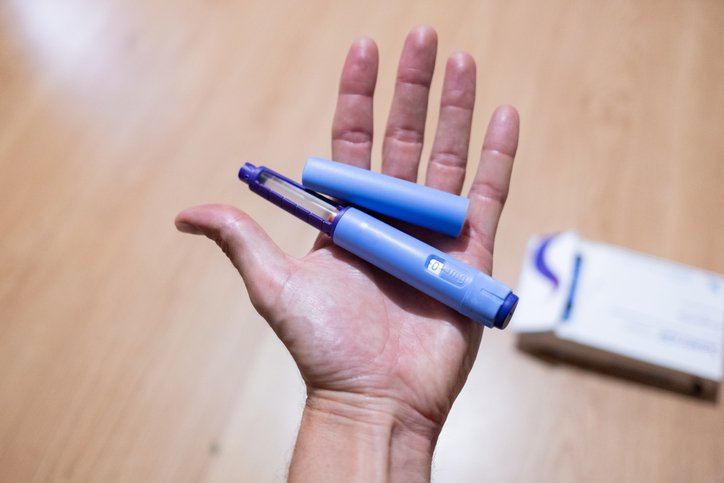
U.S. governmental policy changes are expected to lower GLP-1 costs to payers from their list prices of $1,000 or more per month to about $350 per month this year, and future products targeted at $149 per month. That price drop cuts into profit margins, leaving biomanufacturers eager to identify increasingly efficient bioproduction methods despite projected market expansions.
In a recent paper from Guru Gobind Singh Indraprastha University, Sushmita R. Kumar, student; Esha Shukla, research scientist, now with Techinvention Lifecare; and Gaurav Pandey, PhD, associate professor, engineered expression constructs that encoded monomeric GLP-1 fused to glutathione S-transferases (GST). After a 26-hour fermentation cycle, they achieved “the highest volumetric yield reported to date for GLP-1 in the E. coli expression system,” they reported.
High-density E. coli production
Specifically, the team optimized high-density fed-batch bioprocessing to produce a volumetric yield of 10.3 g/L with an optical density of 180, as well as the highest volumetric production for a soluble rGLP-1 analog, of 0.4 g/L/h. The specific yield was 116.7 mg/g, and the dry cell weight was 88.9 g/L.
To achieve such yields, the team optimized the system specifically to increase soluble expression of rGLP-1. They divided the work into two stages: optimizing the inducer concentration, pH, and harvest time, followed by optimizing fermentation temperature.
For the first stage, they found that 0.5 mM inducer, pH 7, and an eight-hour post-induction harvest time were optimal.
For the second stage, they reported that by lowering the fermentation temperature to 25° C—well below the more typical 37°C—increased protein yields and minimized the acetate accumulation. This approach delayed the initial feeding by four hours, but appears to have compensated by shifting excess carbon to growth-inducing pathways. Then, when feeding began, cells experienced a higher growth rate than has been reported in the literature, enabling them to produce more recombinant protein.
Pandey and colleagues say this feeding strategy may be applied to other recombinant peptides expressed in E. coli.
The post High-Density Fed-Batch Optimization Cuts GLP-1 Bioproduction Costs appeared first on GEN – Genetic Engineering and Biotechnology News.