Macrophages remain ready to fight infection thanks to signaling molecules left behind by previous infections. That is according to new research from scientists at the University of California, Los Angeles. The study, published this week in the Journal of Experimental Medicine, sheds new light on how the immune system retains memories of previous infections. It also suggests new ways to reduce the activity of misprogrammed macrophages that contribute to autoimmune diseases such as lupus and arthritis.
The paper is titled “IFNγ-induced memory in human macrophages is sustained by the durability of cytokine signaling itself.” In it, the scientists write that their findings suggest that “epigenetic changes in macrophages do not inherently encode innate immune memory or a ‘potentiated’ macrophage state, but in fact are themselves dependent on ongoing signaling from cytokines” captured “on or near the cell surface.” Furthermore, their findings align with in vivo mouse studies “demonstrating that blockade of IFNγ signaling is sufficient to reverse BCG-induced trained immunity” though “it remains to be seen whether this observation extends to other cytokines or pathogen-associated/damage-associated molecular patterns (PAMPs/DAMPs) that can also induce innate immune memory,” they wrote.
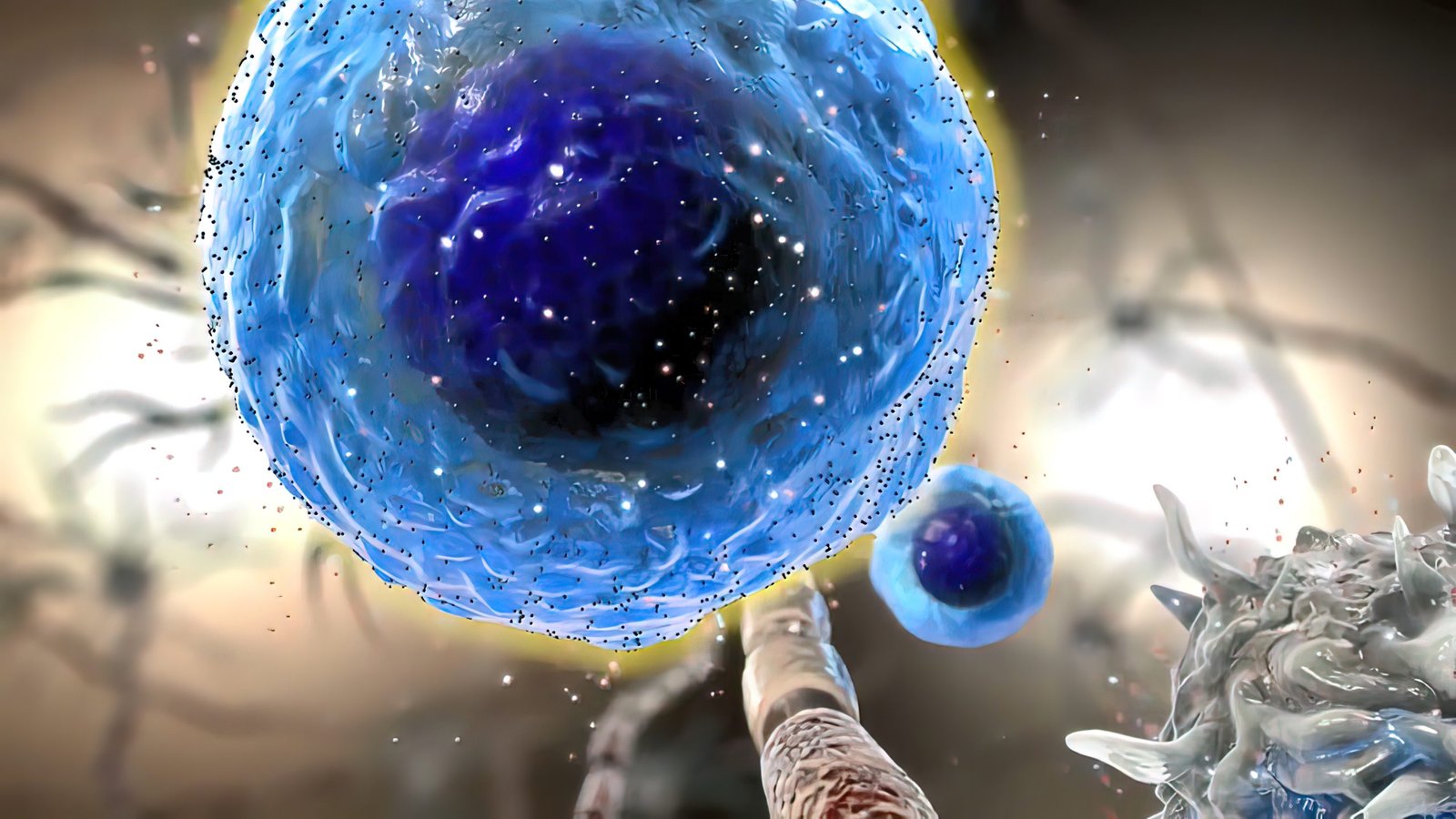
As members of the innate immune system, macrophages are responsible for patrolling tissue and identifying potential threats such as invading microbes or cancerous cells. Once found, macrophages can engulf and kill these threats as well as signal other immune cells for help. In recent years, researchers have found that macrophages retain memories of these encounters which lets them mount a stronger response if the threat reoccurs.
During the initial immune response, the signaling molecule interferon gamma (IFNγ), prompts macrophages to unwrap sections of their DNA to form specialized enhancer domains that promote gene activity. These newly-formed domains leave hundreds of immune response genes ready to be activated when needed. What remained unclear till now is how macrophages maintain this memory for long periods post exposure.
That is the question that the current study aimed to answer. According to the findings reported in the paper, human macrophages that were temporarily exposed to IFNγ formed thousands of new enhancers that persist for many days. Additionally, small amounts of IFNγ remain stuck to the macrophages and their immediate surroundings even after most of the signaling molecule was removed. Furthermore, the scientists found that signals from residual IFNγ were necessary for maintaining macrophage memory. When the scientists inhibited the persistent IFNγ signals using a neutralizing antibody or JAK inhibitor, the macrophages removed their enhancers and reduced their response to bacterial molecules.
“We suggest that acute immune activity within a tissue in response to infection or injury may ‘stain’ the tissue with cytokines and that ongoing signaling from these molecules contributes to lasting changes in tissue resident macrophages,” said Aleksandr Gorin, MD, PhD, lead author on the study and an infectious disease physician and postdoctoral researcher in the laboratory of Alexander Hoffmann, PhD, the senior author on the study.
Also, “our observation that the IFNγ-induced memory state is pharmacologically reversible raises the possibility that at least some trained immune states can be pharmacologically erased or modified by blocking cytokine signaling pathways,” Hoffmann said. Therapies that target macrophage memory in this way could help treat autoimmune diseases such as lupus, rheumatoid arthritis, or type 1 diabetes.
The post Repeated Cytokine Signaling Required to Sustain Macrophage Immune Memory appeared first on GEN – Genetic Engineering and Biotechnology News.