As monoclonal antibody (mAb) titers increase to multi-gram-per-liter ranges, downstream purification is increasingly strained. Protein A affinity chromatography is the industry standard for initial capture and host cell protein (HCP) removal, yet resin and buffer optimization is often slow, resource-intensive, and hard to scale for high-throughput screening.
Scientists from IMCS and Ecolab may change that with an automated micro-purification workflow they say is faster and less expensive than traditional methods.
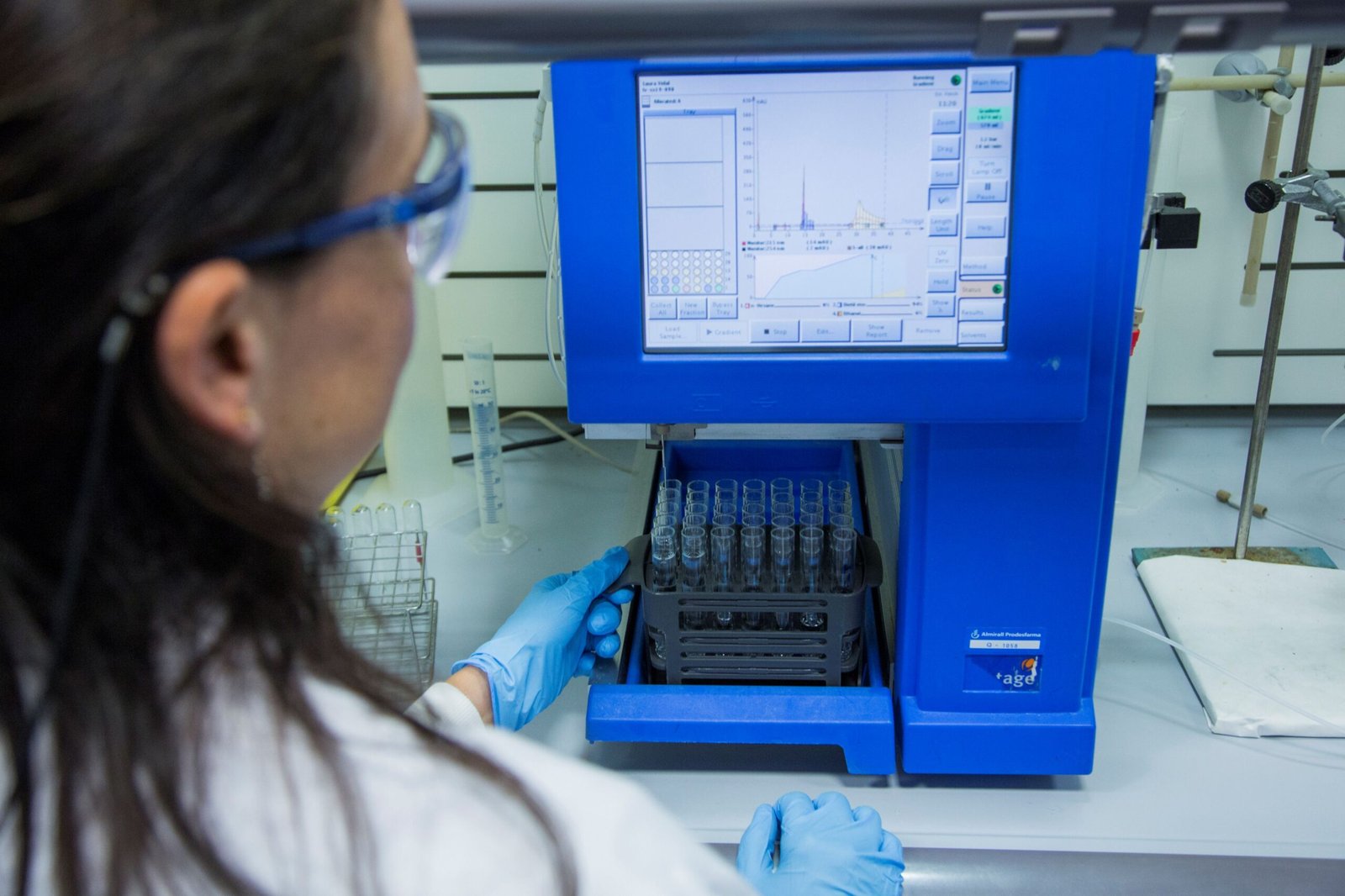
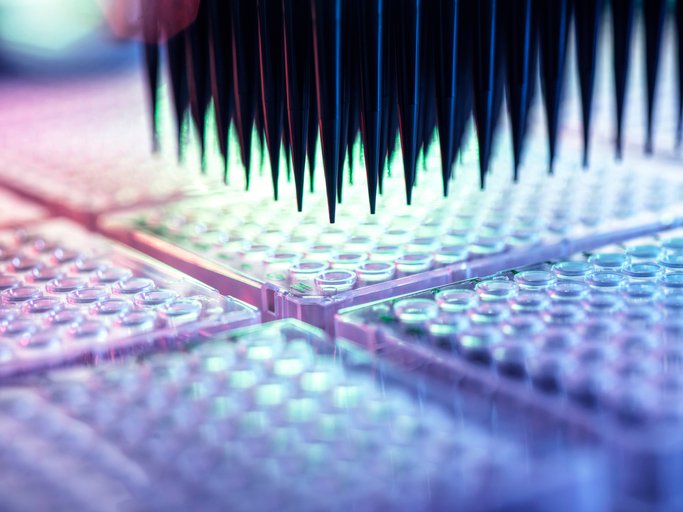
This workflow is based on the established use of pipette tips loaded with affinity resins for dispersive solid phase extraction (dSPE) on automated liquid handlers. It can quickly screen resin types, wash additives, and elution pH conditions, and can be used to identify optimal conditions for Protein A purification scale-up.
It supports up to 96 parallel purifications in under one hour. The entire workflow, including recovery determination and analytical preparation, was completed within 2.5 hours, offering a significant reduction in both hands-on time and material consumption, according to a team led by Patrick A. Kates, PhD, IMCS principal scientist. Notably, no manual intervention or special labware was required.
In a recent paper, Kates and colleagues assessed the purification and analysis of four Chinese hamster ovary cell cultures containing mAbs or bi-specific mAbs. They showed that this tip-based dSPE approach is comparable to the binding capacities reported by the resins’ manufacturers and that it behaves like the traditional resin-in-solution approach. Therefore, tip-based dSPE can be used for process development and scale-up.
Know your resins and buffers
The team assessed the binding capacity of four commercial Protein A resins in tip-based dSPE purification. The tip-based maximum binding capacities ranged from 52.4 to 80.3 mg/mL. Two resins met or exceeded the manufacturer-reported binding capacities, and two were lower, though similar. These variations between resin binding parameters underline important considerations for selecting a resin and determining the necessary sample binding parameters of automated Protein A purification in dSPE tips,” they stressed.
In assessing HCP reduction and final ratios of HCP to antibody in the elute, they reported that “total elution recovery is highly sensitive to pH,” and to the resin used to purify the proteins.
The choice of wash buffer was important, too. For example, the four buffers they chose each performed best in terms of monomer recovery when pH was at or lower than 3.9. Lower pH, however, increased antibody aggregation. Above that point, for three of the four buffers, monomer recovery declined dramatically. “Modified intermediate wash buffers containing sodium chloride minimized HCP contamination of eluted samples while preserving high monomer yields,” they reported.
The post Automatic Microscale Antibody Purification Cuts Time and Costs appeared first on GEN – Genetic Engineering and Biotechnology News.