
Panelists:

Joshua Orchard
Field Applications Staff Scientist
Thermo Fisher Scientific
Panelist
Joshua Orchard
Joshua Orchard is a field applications staff scientist, specializing in protein and viral vector purification, downstream, process development, and virus clearance. He has held scientific positions at AstraZeneca and Novavax prior to joining Thermo Fisher Scientific in 2023. In his 15+ years of work in the industry, Joshua has acquired knowledge of best industry practices and regulatory guidelines and their changes. During this time, he has published peer-reviewed publications in the field of virus clearance. Joshua holds a bachelor’s degree in biology from the University of North Carolina.
- Time:
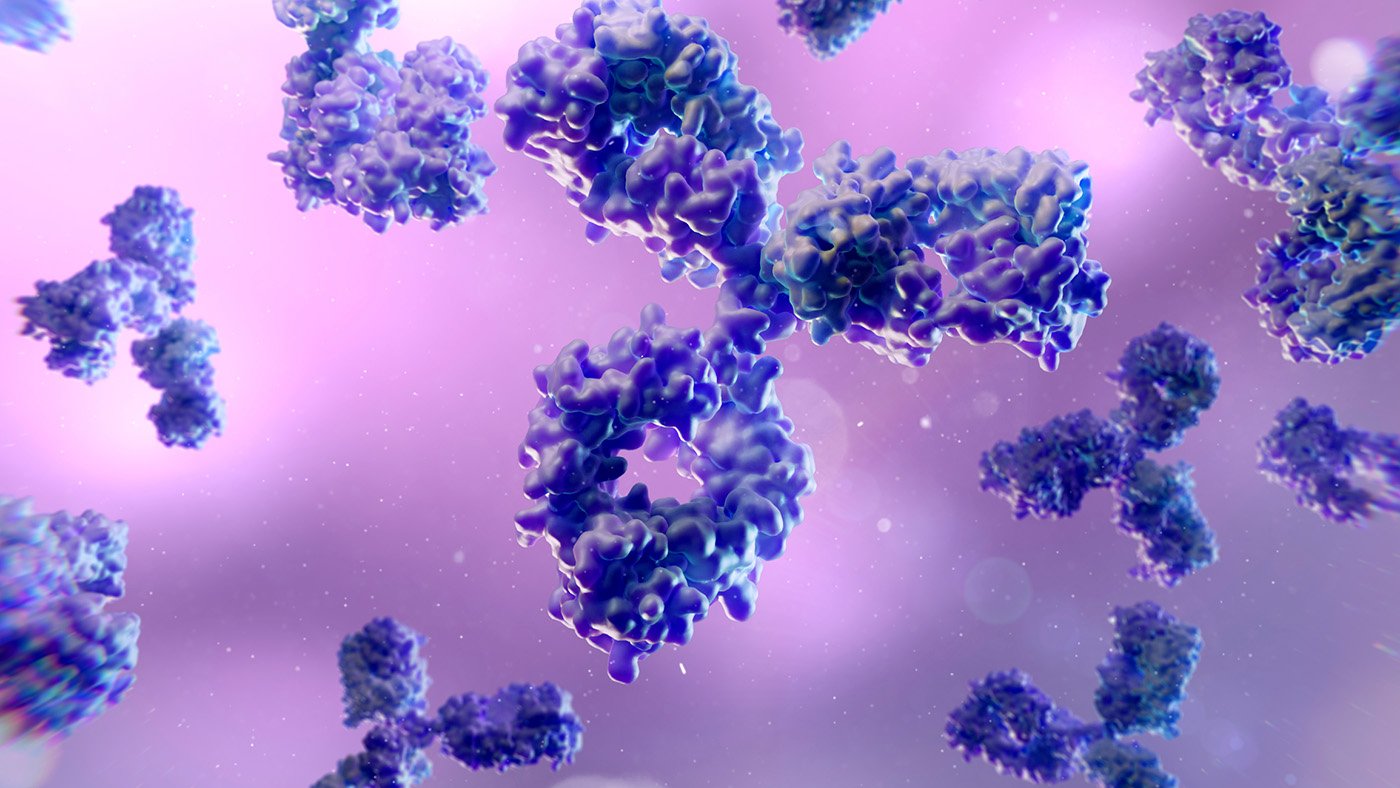
The structural diversity of and complex assembly pathways used by bispecific antibodies (bsAbs) introduce significant downstream purification challenges. Compared to monoclonal antibodies, bsAbs often present elevated levels of product-related variants such as mispaired species, half-antibodies, and aggregates. In addition, some bsAb formats exhibit reduced compatibility with conventional Protein A–based affinity chromatography or increased sensitivity to low-pH processing conditions. These challenges become particularly critical for clinical manufacturing where bsAbs must meet strict regulatory expectations.
In this GEN webinar, Joshua Orchard, a purification applications scientist with extensive experience in downstream process development of various modalities, will share strategies and experimental data to support the purification of bsAbs for clinical manufacturing.
Key takeaways from the webinar include:
- Key purification challenges unique to bispecific antibody formats, including mispairing, aggregation, and product instability
- Improved selectivity and process robustness with affinity capture approaches beyond traditional Protein A
- Strategies for controlling high aggregate levels earlier in the process to simplify downstream polishing
- How ion exchange, mixed-mode, and hydrophobic interaction chromatography can be applied to resolve closely related bsAb variants
A live Q&A session will follow the presentations, offering you a chance to pose questions to our expert panelists.
Produced with support from:

The post Data-Driven Strategies for Addressing Bispecific Antibody Purification Challenges appeared first on GEN – Genetic Engineering and Biotechnology News.


