Last September, Immusoft became the first company to deliver ex vivo cell & gene therapy (CGT) therapeutics to redose a patient without prior preconditioning. Now it is advancing its Immune System Programming (ISP ) platform and fine-tuning doses for subsequent patients in a Phase I/IIa trial for the rare disease mucopolysaccharidosis type 1 (MPS 1), also known as Hurler syndrome.
Redosing is newsworthy because most CGT therapies delivered by adeno-associated viral (AAV) vectors can only be administered once. Within weeks of the initial infusion, patients typically develop strong neutralizing antibodies against the viral capsid that neutralize subsequent doses. A severe immune response could ensue if a second dose of an AAV therapeutic was attempted. Standard CGT therapies, therefore, must deliver the perfect dose the first time.
The ability to give additional doses of an ex vivo CGT therapy provides the space physicians need to gauge patients’ responses and redose if those responses need a boost.
“The ability to put patients on annual dosing regimens is important for patients and payers,” Sean Ainsworth, Immusoft CEO, tells GEN.
For payers, redosing makes it feasible for them to slot this therapy into their plans without disrupting their payment model, Ainsworth says, citing comments from payer interviews. Specifically, spreading out CGT treatments helps payers cover the expenses of advanced therapies without the extremely high upfront costs we’ve seen to date.
For patients, redosing offers the ability to extend therapeutic benefits to restore or maintain long-term efficacy, overcome any weak initial responses (if observed), and tailor subsequent doses to changes in the disease.
Steady advancement
Immusoft’s lead program, ISP-001 for MPS 1, uses the patient’s own B cells as “living biofactories, continuously producing and secreting potentially therapeutic proteins,” according to Immusoft literature. While it is in Phase I trials now, Phase IIa trials are anticipated shortly. It received FDA Fast Track designation last October, a designation driven by good tolerability and safety, as well as “early signs of efficacy in an indication in which there is still high unmet need,” Ainsworth says. “This represents a paradigm shift in how genetic diseases can be treated,” he said.
For the company, he says, “Functionally, this means greater access to the FDA,” and, presumably, receptivity to the approach.
ISP-001 is being followed quickly by ISP-002 for MPS-2 (also called Hunter syndrome). “The strategy is to get platform consideration from the FDA,” Ainsworth says. Platform consideration suggests a level of comfort with the manufacturing process and with the therapeutic’s safety and tolerability in the clinic. “We’ve had dialogues with the agency to expedite the program toward the clinic.”
Programs deploying the ISP platform are in the discovery phase for five additional indications, including Gaucher’s disease. The company also is looking to partner to develop programs for Parkinson’s disease, obesity/diabetes, oncology, and autoimmune diseases.
Immusoft is working to translate its autologous B cell therapeutic platform to allogeneic B cell therapy. “We’re deliberately starting with well-characterized orphan indications,” Ainsworth says. That decision helps researchers learn more about the platform in this new context, and also reduces some of the technical risks. “We think larger (more common) indications will be well-served by allogeneic or hypoimmune approaches,” which would enable off-the-shelf therapies without the need for immunosuppression.
As that work progresses, Immusoft scientists may be challenged to balance the adaptive and innate immune responses, address cell persistence and functionality issues, eliminate any potential off-target effects, provide genomic stability, and ensure a stable delivery system.
The business challenges are epitomized by the disruptive nature of the ISP platform itself. As Ainsworth admits, “There’s an element of education needed for investors and clinicians to become comfortable with this approach.” The goal is to keep the dialogue going, primarily through conference attendance and scientific publications by Immusoft scientists.
Financially, Ainsworth says, “We’re set for the near term.” He doesn’t rule out a Series C funding event in 2026, but the $8 million award it received from the California Institute for Regenerative Medicine (in 2023) to conduct ISP-001’s Phase I/II trial, and the $4 million it received from the same organization two years earlier, in addition to investment capital and funding from the Advanced Research Projects Agency for Health (ARPA-H), put it in a good cash position.
Patient-friendly therapy
In terms of positioning, “In the advanced therapeutic space, we’re at the intersection of cell therapy and gene therapy,” Ainsworth says.
Immusoft’s platform is based on autologous cells. It uses the patient’s own B cells, genetically engineers them, and returns them to the body. What makes this particularly interesting is that patients needn’t undergo preconditioning before being treated.
For ex vivo cell therapies like CAR T, preconditioning may include lymphodepletion to deplete the host T and B cells and thus create the space for cytokines to expand, and myeloablation to eliminate diseased human stem cells.
Eliminating the need to pretreat patients reduces hospital time dramatically. The Immusoft therapeutic has patients hospitalized only overnight, whereas standard gene-modified stem cell therapies require patients to be hospitalized for approximately four to six weeks.
Immusoft’s trials show it takes four hours to collect the cells from the patient and, about a month later—since one week is needed for manufacturing and three weeks for release testing—an approximately one-hour infusion. During the trial, infusion is followed by an overnight hospital stay as a precaution. Reducing the lengthy hospital stay is more convenient for patients, Ainsworth says, and “costs will be a fraction of that of gene-modified stem cells and other cell therapy approaches.”
Flexible manufacturing
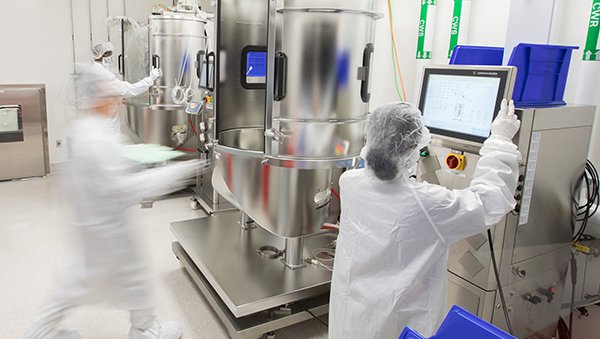
In terms of manufacturing, Immusoft’s platform can scale-out and/or scale-up. “We have a one-week culture system,” Ainsworth says, noting that cell culturing is where many of the costs accrue for other CGTs.
“We use a transposon system—naked DNA—rather than viruses (which most cell therapies use),” he says. That reduces costs. And because patients needn’t endure bone marrow ablation, hospital stays are minimized. “Hospitalization is part of the costs of goods for many cell therapies,” he points out.
MPS 1 also lacks the treatment urgency associated with oncology therapies, he adds. Therefore, “While CAR T therapy may need 10 suites running simultaneously to treat 10 patients, we can schedule patients out. We can treat 10 patients with one or two suites.” That scalability helps Immusoft contain costs for itself and for payers.
Easier reimbursement
Curing patients is a sustainable business model. “What we’re doing is scalable,” Ainsworth emphasizes. Therefore, despite any ambiguity around the terms “cure” and “sustainable,” there is a valid business case for companies developing cures, he insists.
“Once the science has arrived, the challenges are then on the reimbursement side more than anything,” he continues. Therapeutic manufacturers and payers have been debating the relative merits of multiple reimbursement models for more than a decade without reaching any ‘best solution’ consensus. “Our redosable CGT therapy may help alleviate that pressure.”
Vital Signs
Location: 454 N 34th St., Seattle, WA 98103
Contact: businessdevelopment@Immusoft.com
Website: www.immusoft.com
Principal: Sean Ainsworth, CEO
Number of Employees: 14
Focus: Immusoft is a clinical-stage advanced therapeutics company focused on rare diseases. Using its Immune System Programming (ISP) technology, it became the first company to design and administer an initial and subsequent successful dose of a cell & gene therapy.
The post Fast-Tracked CGT Platform Eliminates Patient Preconditioning appeared first on GEN – Genetic Engineering and Biotechnology News.