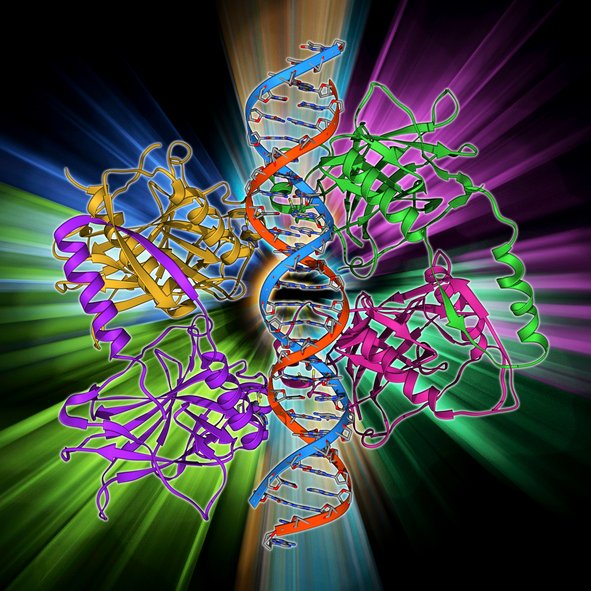
PMV Pharmaceuticals, which focuses on the discovery and development of small molecule therapies targeting p53, reported the results from the Phase I, first-in-human portion of the ongoing Phase I/II PYNNACLE study evaluating rezatapopt in patients with advanced solid tumors harboring a TP53 Y220C mutation.
The study, “Phase I Study of Rezatapopt, a p53 Reactivator, in TP53 Y220C–Mutated Tumors,” is published in the New England Journal of Medicine and provides a summary of the Phase I safety and efficacy results across 77 patients.
The authors highlighted the antitumor activity of rezatapopt in heavily pretreated patients across multiple solid tumor types, establishing proof-of-concept for p53 reactivation. All responding patients had a TP53Y220C mutation and were KRAS wild-type.
In the Phase I portion of the PYNNACLE clinical trial, 77 heavily pretreated patients with advanced solid tumors harboring a TP53 Y220C mutation received oral rezatapopt across dose-escalation cohorts to determine the maximum tolerated dose and recommended Phase II dose (RP2D), characterize safety, pharmacokinetics, and biomarker effects.
According to the researchers, rezatapopt was generally well tolerated; dose-limiting toxicities were infrequent, supporting selection of the RP2D. Objective responses were observed across multiple tumor types. Clinical activity and biomarker data were consistent with selective binding to the Y220C pocket and restoration of wild-type p53 tumor suppressor function.
“Publication of the rezatapopt Phase I results in the New England Journal of Medicine underscores the emerging clinical impact of reactivating p53 in patients whose cancers are driven by a TP53 Y220C mutation,” said Deepika Jalota, Pharm.D., chief development officer of PMV Pharma. “These peer-reviewed findings further validate our scientific approach, support our registrational Phase II strategy and our plan to submit a New Drug Application in platinum-resistant/refractory ovarian cancer in the first quarter of 2027.
“We remain focused on advancing rezatapopt as a potential first-in-class therapy for ovarian cancer patients harboring a TP53 Y220C mutation, an area of high unmet medical need.”
The post Mutant p53 Selective Reactivation Demonstrated in Advanced Solid Tumors appeared first on GEN – Genetic Engineering and Biotechnology News.