Introduction
Soil remediation has gained significant attention due to the growing concerns and the environmental issues associated with soil contamination1. Soil is a fundamental part of the environment, impacting water and air quality, climate regulation and ecosystem. The management and conservation of soil are essential for maintaining environmental balance2. Over the last few decades, significant contaminations were detected, confirmed and reported3. Additionally, soil pollution is generally influenced and affected by various related factors to expanding industrial activities, fast urbanization, elevated consumption rates, and unsafe human practices4. Generally, the vast majority of industries are known to release massive amounts of waste and by-products, which unfavorably impact the environment based on the minimum or no proper waste treatment facilities. Numerous dangerous chemical species were introduced as an toxic pollutants which are escalating to soil and accumulated to generate environmental hazardous issues5.
Methylene blue dye (Mbd) is widely employed coloring dye for different materials. Mbd is also one of the popular and widely used synthetic dyes, for coloring fabrics in the clothing and textile industries, as well as coloring paper and leather6. Mbd is a common cationic dye with hazardous, carcinogenic, mutagenic and large threats to the human health and environments. Mbd is composed of a complex structure due to different resonating systems, namely the oxidized and reduced forms7. Moreover, it is difficult to biodegrade and break down, causing it to persist in the environment8.
Dye remediation in heterogeneous soil matrices faces several inherent challenges that limit effective contaminant removal. The variability in soil composition, particularly differences in clay, sand, organic matter, and mineral contents, significantly influences dye adsorption behavior and overall remediation efficiency9. The complex interactions between dyes and soil constituents, including electrostatic forces, hydrogen bonding, and π–π interactions, can minimize the dye bioavailability. Moreover, diffusion limitations in compact or clay-rich soils restrict dye mobility toward biosorbents. Variations in pH, ionic strength, and the presence of competing contaminants may further interfere with the biosorption processes10. In addition, microbial activity in soil is highly heterogeneous and strongly affected by environmental factors such as moisture content and temperature, leading to inconsistent bioremediation performance11. Collectively, these factors highlight the need for tailored and site-specific remediation strategies capable of effectively addressing the complexity of dye-contaminated soils.
Numerous physical treatment approaches are widely implemented to remediate contaminated soils with diverse pollutants12. However, the majority of these techniques is documented with numerous shortcomings including high-cost, and overuse of chemicals leads and thus, generate a secondary pollution problem13,14,15. Compared to conventional methods, microbial biosorption technique has emerged as a powerful, eco-friendly, cost-effective and sustainable approach for removing dyes and other organic pollutants from soil surface16,17,18. A wide variety of microbial cells are grown up by the microbial populations from living origins as plants, bacteria, and fungi and utilized to remove, break down, or change pollutants from soil, water, or air via their adsorptive ability of the generated biosorbents from biomass16. The microbial biomass cell walls are responsible for the surface activity and interaction with external substances due to the presence of some binding centers, which generate charged species on the cell wall19,20. For example, the presence of charged and connected –(COOH), -(NH2), and -(OH), functional groups on cell walls are behaving as the binding active sites which are favoring the effective contribution to overall ability of biomass cell walls to bind with varies pollutants including Mbd21. In addition, the presence of pores and cavities increase the biomass porosity to further enhance the biosorption performance. Therefore, bacterial biomass can be listed as a promising biosorbent for remediation of numerous pollutants as Mbd. The bacterial biomass adsorbs dyes through physical and chemical interactions via electrostatic interactions of negative charges on bacterial cell walls and the cationic dye, ion exchange, complexation, H-bonding and/or van der Waals forces22. Unlike aqueous systems, dye pollution in soil introduces additional complexity due to heterogeneous matrices and limited mobility. The biosorption of Mbd from soil proceeds via either desorption from soil particles followed by adsorption onto the bacterial surfaces (electrostatic attraction between cationic Mbd and negatively charged bacterial cell walls) or direct bacterial biodegradation23,24.
The aim and novelty in this work is principally focused and devoted to isolate and characterize a new bacterial Bacillus safensis strain SMAH biomass (BS-SMAH-B) from wastewater to implement and evaluate its effective bioremediation, biosorption and biodegradation of Mbd pollutant from contaminated soil, under laboratory-scale experiments. The current investigation methodology involves the isolation and molecular identification of the bacterial strain, as well as the structural characterization and morphological analysis of the bacterial biomass using various instrumental techniques such as FTIR, SEM, TEM, EDX, XRD, BET and UV-Vis. This study is also aiming to assess the kinetics, thermodynamics, isothermal behaviors, and potential degradation pathways under controlled laboratory conditions to better understand the mechanisms of Mbd removal from the contaminated soil matrices.
Materials and experiments
Chemicals
Analytical grade chemicals were acquired and used. Nutrient Agar (HIMEDIA) REF M001-500G, Nutrient Broth (HIMEDIA) REF MV002-100G, Mbd (C16H18ClN3S3.xH2O [x = 2.3], < 70.0%), Central Drug House (P) Ltd., NewDelhi-110,002 (India). HCl (37.0%), NaOH (99.0%), KOH (99.0%) and ethanol (99.8%) were purchased from Sigma-Aldrich.
Instrumentation
A UV-Vis spectrophotometer (Chrom Tech, model CT-2200, S/N: RE1201014, power: 85–265 V) was employed to quantify and identify Mbd. A Milwaukee MW102 pH meter was used pH control of different solutions and media. A Memmert UM300 oven-Gemini BV, STURDY (SA-260FA) autoclave, Thermo Scientific 51,028,132 HERA THERM Incubator IGS180 6.8-CU ft/194 L, LSI-3016R (Lab tech.), New Brunswick Innova 42/42R-Stackable Shaking Incubator and Wise MixVM-10 Vortex were used. The characterization of BS-SMAH-Bbiomass was studied by FT-IR, SEM, TEM, XRD, BET, and EDX. The FT-IR spectra were estimated by Bruker Tensor 37FT-IR. SEM and TEM were used to detect particle size and surface morphology of BS-SMAH-B(SEM- JEOL, JSM IT200, TEM-JEOL, 1400PLUS electron microscope). XRD arrangement analysis was estimated by XRD-D2 Phaser Bruker, Germany. EDX Spectroscopy detected by JEOL-JSM IT200.
Bacterial biomass
Sampling sites
Discovering and studying bacterial isolates that can interact with dyes was the first step in making microbial biosorbents. A location was selected where microorganisms have adapted to dyes as a target site for isolation. Four samples were planned to isolate and collect the prospective microbes including the environmental samples as tannery wastewater (W), tannery sludge (S), and tannery leather waste (L) from the Tanneries area, Alexandria (Fig. 1Sa), while the wastewater effluent was collected from Lake Marriott near the city of Alexandria as the selected marine sample (M) (Fig. 1Sb).
Soil samples were collected from the western coastal region near the industrial zones in Alexandria, Egypt. Light coloration samples were selected and collected to confirm lower organic matter and heavy metal contents, thereby minimizing potential interference in subsequent experiments. Approximately 500 g of soil was collected, thoroughly washed to remove adhering impurities and oven-dried. The dry soil was then stored under controlled conditions until further experimental use.
Isolation and screening methodologies for targeting functional bacteria
One gram of each environmental sample, tannery sludge, and tannery leather waste were mixed with 100 mL of sterile seawater as a diluent. This was done at room temperature for one hour, while shaking at 120 rpm. Using the pour plate method, 1 mL of seawater extract supernatants was inoculated onto plates of different types of isolation media. Mineral salt medium (MSM), a defined growth medium containing 5 g/L glucose and 5 g/L yeast extract, to act as the primary sources of carbon and nitrogen, respectively. The medium was further supplemented with essential mineral salts, including 2 g/L KH₂PO₄, 2 g/L Na₂HPO₄, 0.05 g/L MgSO₄·7 H₂O, 0.01 g/L CaCl₂·2 H₂O, and 0.01 g/L CuSO₄·5 H₂O, adjusted to a pH 7.0–7.525. Nutrient Agar (NA) with the following composition; 1 g/L beef extract,2 g/L yeast extract, 5 g/L peptone, 5 g/L NaCl, and 20 g/L agar, with the final pH adjusted to7.0. Mbd was incorporated into both media types at a final concentration of 1 g/L, added after cooling the media post-autoclaving at 120 °C. All inoculated plates were incubated for 24 h at 30 °C. Screening was performed visually on nutrient agar plates. Each colony with a clear zone around it was streaked on a pure nutrient agar plate for further purification and analyses26.
Mbd pollutant decolorization analysis
To study the promising ability and efficiency of Mbd degradation by the isolates, Mbd (1 g/L) was added to the nutrient broth (NB) medium after autoclaving (MBNB). Then, one millimeter of each cultured isolate was added to 4 mL of MBNB. Aliquots were collected after 24 h from flasks incubated at 30 °C and were centrifuged at 5000 rpm for 10 min. The efficiency of Mbd pollutant degradation was assessed by UV-Vis of the culture supernatants at λmax = 665. A control sample, consisting of the same culture medium without bacterial inoculation, was maintained under identical conditions to serve as a reference for comparison. The experiments were triplicated and decolorization efficiency was calculated from Eq. 127.
$$:text{Mbd pollutant degradation efficiency }(%)=frac{text{Ao-A}}{text{Ao}}times:100:::::::::::::::::::$$
(1)
where A0: Mbd initial absorbance, A: Mbd bacterial degradation.
Identification of bacterial strain
The selected bacterial isolate with high Mbd degrading ability was characterized by 16 S rRNA sequence analysis after genomic DNA extraction and purification of the isolate. It was used as a template for specific gene amplification by polymerase chain reaction (dream Taq green PCR master Mix 2X, K1081, Thermo fisher, USA). The universal primer sequences 27 F (5`-AGA GTT TGA TCC TGG CTC AG-3`) and 1492R (5`-CGG YTA CCT TGT TAC GAC TT-3`) used or 16 S rRNA amplification. A cycle was conducted with an initial denaturation step at 95 °C for 10 min, followed by denaturation at 95 °C for 30 s, annealing at 60 °C for 30 s, and extension at 72 °C for 45 s with final extension at 72 °C of 10 min was performed, and this sequence was repeated 30 times28.
Preparation of dried bacterial biomass
To produce dried bacterial biomass as a biosorbent for Mbd, the selected bacterial isolate was first cultivated. The cells were grown in 100 mL of nutrient broth (NB) at 37 °C and shaking using120 rpm for 24 h to ensure optimal growth and biomass production. Air drying was used to indicate that the cells were dried but potentially viable, rather than fully inactivated and to also preserve the integrity of surface functional groups essential for biosorption. Following incubation, the bacterial cells were harvested by centrifugation for 10 min. The resulting pellet was washed thoroughly with sterile distilled water (DW) to remove residual medium components. The washed biomass was then air dried at 50 °C for 24 h to ensure complete dryness.
Biosorption-biodegradation studies
To assess the biosorption-biodegradation performance of the BS-SMAH-B toward Mbd, laboratory-scale experiments were conducted by exposing the biosorbent to Mbd-contaminated soil under various biosorption conditions, with evaluation of the percentage removal of Mbd from contaminated soil. Mbd-contaminated soil was prepared by treating 1.0 g of clean and dry soil with 25 mL of 10 mg/L Mbd solution. The suspension was shaken for 30 min, allowed to equilibrate overnight, and subsequently filtered. The absorbance of the filtrate was measured and the Mbd content adsorbed onto the soil was calculated using a pre-established standard calibration curve.
Leverage of pH
A series of experiments was conducted in 15 mL Falcon tubes under ambient conditions (25 ± 1 °C) to examine the pH effect on Mbd removal efficiency by the BS-SMAH-B biosorbent. In each experiment, 1.0 g of Mbd-contaminated soil was mixed with 10 mg of BS-SMAH-B in 10 mL of solutions with varying pH values (1.0–9.0). The desired pH levels were adjusted using appropriate buffer solutions to assess biosorbent performance under acidic, neutral, and alkaline conditions. The mixtures were agitated in an incubator at 120 rpm for 1 h. Mbd concentrations were determined by measuring absorbance before and after biosorbent treatment. All experiments were triplicated and the removal efficiency (%) and biosorption capacity (q) were investigated from the following Equations:
$$:%:Removal=frac{Co-C}{Co}times:100:::::::::::::::::::$$
(2)
$$:q=frac{left(Co-Cright)V}{m}times:1000::::::::::::::::::::::::::::::::$$
(3)
Where Co and C are the starting and remaining Mbd contents the soil (mg/L), V (L) is the volume of biosorption mixture, m (g) mass of BS-SMAH-B biosorbent and q (mg/g) is the biosorbent capacity29.
Leverage of BS-SMAH-B dosage
A set of experiments was performed using varying dosages of BS-SMAH-B (10, 20, 30, 40, 50, 60, 75, and 100 mg) at pH 9.0. The mixtures were agitated in a shaking incubator at room temperature for 1 h. Following remediation, the percentage of Mbd removal from contaminated soil was computed.
Leverage of temperature
The leverage of temperature on the BS-SMAH-B performance was evaluated in similar batch experiments by shaking 1.0 g of Mbd-contaminated soil with 10 mg of BS-SMAH-B in 10 mL of solution at various conditions (25–70 °C) under optimum conditions for 1 h. The Mbd removal percentage from soil surface and thermodynamic parameters of the biosorption process were determined.
Leverage of contact time
The contact time impact on the (%) removal of Mbd from the contaminated soil surface onto the BS-SMAH-B biosorbent was investigated by shaking 1.0 g of Mbd-contaminated soil with 10 mg of BS-SMAH-B in 10 mL of solution at 120 rpm. Experiments were conducted at predetermined time intervals (5–480 min) at room temperature, with the medium adjusted to the optimum pH 9.0 for Mbd removal. The Mbd content on the soil surface was measured after each contact time, and the percentage removal was calculated accordingly.
Leverage of initial Mbd content
Sorption equilibrium and isotherm modeling were evaluated by varying the initial Mbd content in the contaminated soil. Five Mbd-contaminated soil samples of different Mbd contents; 4.34, 7.05, 10.94, 12.19, and 14.40 mg-Mbd/g-soil, were prepared by treating the soil with Mbd solutions of 10, 20, 40, 80, and 100 mg/L, respectively. Each Mbd-contaminated soil sample was treated with 10 mg of BS-SMAH-B at pH 9.0 and agitated at 120 rpm in a shaking incubator for 1 h. The Mbd contents in soil samples after treatment and the sorption capacities were determined. The results obtained were used to establish various isotherm models.
Leverage of ionic strength
The leverage of ionic strength on Mbd removal from contaminated soil was evaluated by introducing varying concentrations of NaCl (50, 100, 200, 300, 400, 500, and 700 mg/L) into the test system. In each experiment, 1.0 g of Mbd-contaminated soil was mixed with 10 mg of BS-SMAH-B in 10 mL solution (pH 9.0) containing the specified NaCl concentration. The mixtures were placed in 15 mL Falcon tubes and agitated at 120 rpm for 1 h at 25 ± 1 °C. The percentage removal of Mbd was determined as previously described.
Applications of BS-SMAH-B for Mbd removal from real Mbd-contaminated soil samples
Three different contaminated soils were sampled from the tanneries area (Alexandria, Egypt) and maintained under environmental conditions similar to those observed in the tannery area to simulate real field conditions. The soil samples (2.0 g) were further treated with 10, 30 and 50 mg/L of Mbd. Subsequently, 1.0 g each of Mbd-contaminated soil sample was mixed with 10.0 mg of BS-SMAH-B in 10 mL solution (pH 9.0) and agitated at 120 rpm for 1 h at 25 ± 1 °C. The soil Mbd contents were measured before and after treatment.
Results and discussion
Bacterial biomass isolation and identification
Screening of microbial isolates
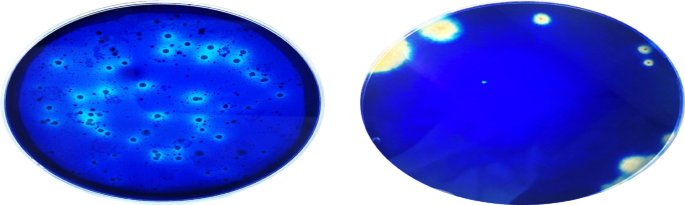
Plating of the activated samples resulted in a collection of 16 different promising bacterial isolates. These were then used in this study to enhance the degradation of Mbd pollutant. The bacterial isolates demonstrating clear zones around their colonies on nutrient agar screening plates were selected as potential candidates for Mbd pollutant degradation. These isolates were sourced from various environmental samples, including ~ 37.5% from wastewater sediment, ~ 25% from tannery-contaminated wastewater, ~ 25% from dye leather waste, and ~ 12.5% from Lake Marriott (Fig. 1). Mbd is a synthetic cationic dye with complex physicochemical properties due to several structural forms as monomer, dimer, H-aggregate, and hydrate, depending on the environmental conditions30. Its cationic structure is based on 3,7-bis(dimethylamino)phenothiazin-5-ium, to allow forming H-type aggregates such as dimers and trimers in aqueous media. Mbd is also known for its redox sensitivity and undergoes spontaneous degradation through two main mechanisms, (i) self-aggregation during adsorption, and (ii) interaction with functional groups on the surface of adsorbents. Under alkaline conditions, hydroxide ions (OH⁻) can initiate nucleophilic attacks on the Mbd molecule, leading to molecular breakdown. Such degradation reaction involves successive loss of chromophores through oxidation, hydroxylation, hydrolysis, and cleavage of functional groups31. Reactive oxygen species (ROS), catalytically generated at the surface of certain adsorbents are directly contributing to this process by converting Mbd into smaller, less harmful molecules32.

Qualitative screening of Mbd-degrading isolates on nutrient agar plates.
Mbd pollutant degrading analysis
In contrast to chemical and physicochemical techniques, microbial approaches offer a greener and more economical solution for Mbd remediation, making them a preferred choice owing to their high performance and environmental compatibility. The biodegradation efficiency of Mbd by the selected isolates was determined to characterize the decline in dye concentration. Of all bacterial isolates, it was found that isolates (7) and (10) exhibited remarkable effects in removing Mbd pollutant with degradation efficiency reaching to 97% and 96% after 24 h, respectively. The other isolates showed decolorization efficiency ranging from 8.9% by isolate (12) to 92.7% by isolate (16), as indicated visually by the differences in Mbd color (Fig. 2). Isolate 7 exhibited the highest decolorization efficiency (97.0%) and was therefore, selected for molecular identification. Subsequently, further experiments were performed using Isolates 7and 10 to compare the Mbd degradation performance of their cells (C) and supernatant (S), as shown in Fig. 3. The highest established Mbd degradation performance was characterized by the isolate 7 cells. Compared to the documented findings in previous studies, the living cells and dry biomass of Pseudomonas alcaliphila NEWG-2 enhanced the Mbd pollutant sorption from wastewater samples22. According to another study, the produced microbial consortia from fermented bio-waste demonstrated Mbd pollutant decolorization up to 88.52% after three days of treatment33. Additionally, it was found that the lignin peroxidase enzyme formed by Phanerochaetechrysosporium, a white-rot fungus selected from sewage sludge, was able to remove 40% of Mbd pollutant34. Another study reported 82% removal efficiency of Mbd by the generated lignin peroxidase from P. chrysosporium35.

Mbd degrading efficiency by the sixteen selected isolates showed clear zone around their colonies on agar plates after 24 h of incubation.

BS-SMAH-B cells (C) and supernatant (S) action toward Mbd degradation.
Phylogenetic identification of the promising microbial isolate
Despite various reasons, 16 S rRNA gene sequences have been the most often utilized genetic marker when studying bacterial phylogeny and taxonomy. These reasons may include (i) its existence in almost all bacteria, (ii) it has remained functional over time, and (iii) the 16 S rRNA gene (1500 bp) is large enough to be used in informatics. The specific genomic product for the 16 S rRNA gene of selected isolate (7) was eluted from the agarose gel with 1452 bp (Fig. 2S). The resulting PCR product was quantified, purified, and sequenced. The 16 S rRNA gene analysis referred this strain as a member of the genus Bacillus and is closely related to Bacillus safensis strain B17, accession number PQ164347.1 with a similarity percentage at 98.95%. The sequence was deposited in the National Center for Biotechnology Information (NCBI) Gen Bank under the accession code SUB14950660 12492_S PQ800544. The sequence was identified as the Bacillus safensis SMAH strain and its phylogenetic tree with its neighboring lineages is illustrated (Fig. 3S). Several Bacillus strains proved degrading abilities of Mbd pollutant, as evidenced by the potential of Bacillus sp. LD003 to decolorize it36. Bacillus albus MW407057 shaken at 100 rpm removed 99.27% of Mbd at 0.1% demonstrating an efficient elimination of Mbd. The color of Mbd pollutant completely disappeared after 24 h without shaking. On the other hand, the removal effectiveness of Mbd pollutant virtually stayed constant during the lag phase of bacterial growth in absence of agitation circumstances, but it was deteriorated by 120 rpm stirring37. Consistent with the findings in this investigation, previous studies denoted to the highest decolorization efficiency of Mbd pollutant at agitation speeds between 100 and 120 rpm. This range facilitates optimal aeration and nutrient distribution, thereby enhancing bacterial growth and enzymatic activity required for Mbd degradation. The remediation mechanism of Mbd pollutant by the bacterial strain React3is believed to resemble intracellular accumulation observed in viable cells. Over time, Mbd pollutant is internalized and oxidized, primarily by lignin peroxidase (LiP) with greater efficiency and stability under static conditions compared to shaking environments, suggesting that static incubation may favor enzymatic oxidation and sustained decolorization25.
Surface study and structural characterization
Numerous instruments were used to analyze the surface activity of BS-SMAH-B as the acting microbial biosorbent. Characterization of the functional groups on BS-SMAH-B was confirmed from the FT-IR analysis, while the surface imaging and topography of the internal cellular structure and composition of thin section were performed by SEM and TEM in conjunction with EDX analysis to creating elemental maps that show distribution of elements across surface to support the structural analysis. XRD was also used to analyze the crystallographic structure and study the incorporated properties of the biosorbent. The BET method was also applied to measure the surface area and porosity of biomass.
FT-IR analysis
The FT-IR spectrum of clean soil (Fig. 4a) displayed a prominent band at 3425.7 cm⁻¹, corresponding to O–H group. The peak at 2922.3 cm⁻¹ was ascribed to aliphatic C–H, while absorptions at 2519.4 cm⁻¹ and 1473.0 cm⁻¹ were associated with symmetrical and asymmetrical stretching vibrations of carbonate ions (CO₃²⁻), respectively. A peak at 1789.3 cm⁻¹ was assigned to the combination of planar bending and symmetrical stretching modes. The band observed at 1078.0 cm⁻¹ corresponds to Si–O–Si symmetrical stretching, while 856.4 cm⁻¹ peak was assigned to C = O. A low-frequency band at 422.8 cm⁻¹ reflected both symmetrical and asymmetrical Si–O–Si bending vibrations38. Upon the introduction of Mbd as the selected pollutant, the FT-IR spectrum of the soil (Fig. 4b), was altered, indicating interactions between Mbd molecules and the soil surface. A new peak was emerged at 1625.1 cm⁻¹, corresponding to C = C in aromatics. The presence of Mbd also induced shifts in the characteristic Si–O stretching bands, along with the appearance of peaks corresponding to aromatic C–H bending and C–N stretching, suggesting modifications in intensity and position due to Mbd adsorption39.

FT-IR spectra of (a) cleaned soil and (b) Mbd-polluted soil.
The FT-IR spectra of BS-SMAH-B before and after Mbd interaction are illustrated in Fig. 5a and b, respectively. The broadness at 3420.3 cm⁻¹ is related to O–H in hydroxyl and carboxylic acid groups. A peak at 2963.2 cm⁻¹ was assigned to aliphatic C–H, while the band at 2116.9 cm⁻¹ indicated the presence of nitrile groups (–N ≡ C)40. The strong absorption at 1652.0 cm⁻¹ corresponded to amide I bands (NH₂ bending, C = O, and C = N stretching), while the peaks at 1544.7 and 1242.9 cm⁻¹ were attributed to amide II and amide III vibrations, respectively. The band at 1084.0 cm⁻¹ was associated with asymmetric C–O–C stretching in aliphatic esters, and the peak at 595.1 cm⁻¹ was linked to C–O and P–O–C vibrations, indicating phospholipid components41. Post-adsorption spectra showed several notable shifts in the O–H stretching band to 3291.6 cm⁻¹ with intensity change, to highlighting the interactions between BS-SMAH-B functional groups and the cationic Mbd. Additionally, the π–π interactions between Mbd aromatic rings and lignin or other aromatic components were evident42. Such spectral changes confirm the involvement of multiple functional groups and electrostatic interactions in the Mbd pollutant biosorption mechanism.

FT-IR spectra of (a) BS-SMAH-B, and (b) Mbd-adsorbed BS-SMAH-B.
X-Ray diffraction
The XRD results (Fig. 6) confirm the amorphous nature of BS-SMAH-B which is expected due to the organic and biopolymeric nature of microbial cell walls. However, the appearance of discrete crystalline peaks points out to bio-mineralization activity or adsorption of crystalline salts or metal species, particularly, if the bacteria were cultivated or exposed to metal-containing environments43. The presence of such crystalline phases can enhance the adsorption efficiency of the biomass by providing additional active sites or influencing the surface charge properties. The mixed amorphous–crystalline profile supports the hypothesis that bacterial biomass can act as a multifunctional biosorbent, utilizing both organic ligands and mineral-associated phases to interact with pollutants like dyes or heavy metals.

XRD pattern of BS-SMAH-B.
SEM, TEM and EDX analysis
The surface morphology along with elemental composition of the BS-SMAH-B was examined by the SEM, TEM and EDX techniques. The SEM and TEM images are shown in Fig. 7a and b, respectively, revealing a highly heterogeneous and porous surface structure with irregular particle shapes and notable surface roughness. These morphological features are beneficial for biosorption via enhancement the number of accessible active sites through the formation of microspores and crevices, thereby improving the interaction between the biosorbent and Mbd molecules19. The observed surface characteristics suggest the presence of multiple adsorption mechanisms, contributing to improved Mbd pollutant removal efficiency and indicating favorable regeneration and reuse potential of the biosorbent.

(a) SEM, (b) TEM and (c) EDX analysis of BS-SMAH-B.
The EDX analysis (Fig. 7c) is used to provide insight into the elemental composition of the microbial biomass, referring to the nature of active binding sites. The spectrum showed that carbon was the dominant element (51.72%), followed by oxygen (27.10%) and nitrogen (14.97%), indicating the presence of organic functional groups to improve the biosorption process44. Additionally, trace amounts of phosphorus and sulfur were also detected to favor good binding and interaction with cationic Mbd molecules.
Surface area characterization
The Brunauer–Emmett–Teller (BET) method is providing essential information about surface properties and their potential influence on the biosorption of Mbd. The BET analysis of BS-SMAH-B revealed a specific surface area 1.4833 m²/g, a total pore volume 0.0045 cm³/g, and an average pore diameter 12.135 nm. The relatively low surface area compared to highly porous adsorbents (e.g., activated carbons) suggests that Mbd removal by BS-SMAH-B is not solely dependent on the surface area but is likely governed by surface functional groups, and pore accessibility45. The measured average pore diameter places the material within the mesoporous range (2–50 nm), to confirm that the pores are sufficiently large to facilitate Mbd molecule diffusion and interaction with active sites. The pore volume is consistent with a biosorbent structure derived from biological material, where biosorption occurs predominantly on the surface and within accessible mesopores rather than in extensive microporous networks46. These physicochemical characteristics support the applicability of BS-SMAH-B for dye-contaminated soil remediation. On the other hand, the BET constant (C), which reflects the adsorption energy, was determined to be 42.379, providing essential support for interpreting and validating the adsorption isotherm models.
Biosorption and biodegradation studies
Leverage of pH
In the context of soil remediation, the removal of Mbd from contaminated soil using BS-SMAH-B proceeds was suggested to accomplish by two successive steps: (i) biosorption, involving the transfer of Mbd molecules from the soil matrix onto the surface of the biosorbent, followed by (ii) biodegradation, in which BS-SMAH-B enzymatically breaks down the adsorbed dye47. Under typical soil conditions, Mbd predominantly exists in a cationic or oxidized form. The efficiency of the initial biosorption step is largely determined by the abundance and activity of functional groups (–COOH, –OH, –NH₂) present on the microbial surface, which act as active binding sites for Mbd molecules. Among the key environmental parameters influencing this process, the hydrogen ion concentration (pH) of the reaction medium plays a critical role due to possible regulation of both the biosorbent surface charge and the ionization state of the functional groups, ultimately affecting the overall Mbd pollutant removal efficiency27.
To investigate the influence of pH, biosorption–biodegradation experiments were performed at pH 1.0–9.0, and room temperature, with continuous agitation at 120 rpm. The results (Fig. 8) showed a substantial improvement in Mbd removal efficiency, from 55.29% at pH 1 to 88.94% at pH 9. This enhancement at higher pH values is attributed to increased deprotonation of surface functional groups, which imparts a higher net negative charge. This condition promotes stronger electrostatic attraction of negatively charged sites with cationic Mbd molecules, thereby facilitating their transfer from the soil to the BS-SMAH-B surface and enhancing the subsequent biodegradation step48. Moreover, zeta potential measurements was applied to further support this finding, indicating a − 25 mV surface charge at pH 7.0 (Fig. 4S).This suggests a significant deprotonation processes and a negatively charged BS-SMAH-B surface under neutral to alkaline conditions. The negative charges enhance the biosorption of cationic Mbd molecules, thereby confirming the pH as a critical role in modulating the removal efficiency of BS-SMAH-B for the remediation of Mbd-contaminated soil.

Effect of pH on % Mbd removal by BS-SMAH-B.
Leverage of BS-SMAH-B dosage
The influence of BS-SMAH-B biosorbent mass on the Mbd remediation from contaminated soil was investigated by varying the biosorbent dosage, while maintaining constant soil mass and experimental conditions. Results, illustrated in Fig. 9a and b, revealed that the Mbd removal percentage increased steadily from 84.33% to 96.15% with increasing BS-SMAH-B mass from 10 mg to 100 mg, owing to the greater availability of active binding sites for biosorption and subsequent biodegradation. However, the biosorption capacity (q, mg/g) exhibited an expected gradual decrease with increasing biosorbent mass.

Effect of BS-SMAH-B dosage on (a) % removal and (b) biosorption capacity of Mbd.
Leverage of temperature and thermodynamic parameters
Temperature plays a critical role in the remediation of Mbd-contaminated soil, as it governs not only the biosorption process but also the subsequent biodegradation of Mbd by the BS-SMAH-B biosorbent. Temperature variations can influence the mobility and solubility of Mbd molecules in the soil–water matrix, the diffusion rate toward active binding sites, and the enzymatic activity of the microbial biomass responsible for biodegradation49. In this study, Mbd-contaminated soil samples were treated with BS-SMAH-B across a temperature range from 25 to 70 °C (Fig. 10) and the results exhibited a three-step response. At 25 to 35 °C, a slight removal enhancement was observed from 84.70% to 86.01%. Between 35 and 46 °C, a near steady-state was maintained, with removal efficiency only slightly increased to 87.00%. At the final step from 46 to 70 °C, a more pronounced increase in Mbd removal was recorded. This pattern suggests that elevated temperatures enhanced the kinetic energy of Mbd molecules, improving their interaction with active sites on the BS-SMAH-B surface and facilitating faster diffusion into the internal pores of the biomass, sequentially biodegrading the Mbd50. Consequently, the biosorption process in this system is categorized as an endothermic with temperature-favored by the increased thermal energy promoting a higher rate of Mbd removal from the soil surface.

Effect of temperature on % Mbd removal by BS-SMAH-B.
Thermodynamic analysis is essential for understanding the fundamental nature and feasibility of the biosorption process, as well as for optimizing the operational conditions to achieve maximum efficiency. The key thermodynamic parameters; Gibbs free energy change (ΔGo), enthalpy change (ΔHo), and entropy change (ΔSo), offer insights into the spontaneity, energy changes, and disorder associated with the adsorption mechanism and these are deduced from the Van’t Hoff equations51.
$$:varDelta:text{G}:=:-:text{R}text{T}:text{l}text{n}:text{K}:::::::::::::::::::$$
(4)
$$:varDelta:G:=:varDelta:H-TvarDelta:S::::::::::::::::::::$$
(5)
Where, R gas constant (8.314 J/mol. K), T reaction temperature in Kelvin and K equilibrium constant.
The results are summarized in Table 1 and obtained from the slope and intercept of Fig. 5S, referring to positive ΔH° and ΔS° values and indicating that the biosorption of Mbd onto BS-SMAH-B was endothermic and accompanied by increased disorder at the soil–biosorbent interface. The negative ΔG° values across the investigated temperature range confirm the spontaneous nature of the process. In addition, the increasing magnitude of ΔGo with temperature, along with the positive ΔHo and ΔSo values, suggests that the biosorption is thermodynamically favorable and temperature-dependent, with higher temperature via enhancing the Mbd removal efficiency49.
Leverage of contact time and kinetic modeling
Contact time is a key operational parameter in soil remediation, and employed to determine the kinetics and equilibrium behavior. The contact time leverage on the remediation of Mbd-contaminated soil by BS-SMAH-B was investigated over a range from 5 min to 480 min as represented in Fig. 11, revealing two distinct phases. In the initial phase (0–60 min), a rapid increase in removal efficiency was observed achieving direct enhancement from 53.91% to 82.42%. This rapid uptake reflects the strong affinity between BS-SMAH-B surface functional groups and cationic Mbd molecules, facilitated by the abundance of available binding sites and the steep concentration gradient between the soil solution and the biosorbent surface52. In the second phase (60–480 min), the removal rate slowed markedly, with efficiency slightly increased from 82.42% to 82.62%. This plateau indicates saturating the available binding sites and attaining biosorption equilibrium. Beyond this point, Mbd removal was mainly attributed to the slower biodegradation process, where microbial enzymatic activity progressively breaks down the adsorbed dye molecules into less harmful products29. This two-stage behavior highlights the integrated role of fast biosorption followed by gradual biodegradation in achieving effective and sustained remediation of Mbd-contaminated soil.

Effect of contact time on % Mbd removal by BS-SMAH-B.
Kinetic modeling is essential for interpreting the mechanism and the rate at which Mbd pollutant is transferred from the soil matrix to the BS-SMAH-B surface, followed by catalytic microbial degradation. In this study, five kinetic models; namely pseudo-first-order (PFO), pseudo-second-order (PSO), Elovich, intraparticle diffusion, and Avrami, were applied to evaluate the biosorption behavior of Mbd onto BS-SMAH-B at different contact times. The results were analyzed and fitted to these models, and the associated parameters are summarized in Table 2, besides, the graphical plots are presented in Fig. 6Sa-e. The model accuracy was assessed using the correlation coefficient (R²), where a higher R² refers to good matching of the model with the experimental results53. For the PFO model, a linear plot of ln(qe-qt) versus time (t) was used to calculate the rate constant (k₁) and theoretical adsorption capacity (qₑ) from the slope and intercept, respectively. However, the PFO model showed a relatively low correlation coefficient (R2 = 0.905) and poor alignment with the experimental qₑ value, suggesting it inadequately described the Mbd biosorption-degradation process. In contrast, the PSO model, plotted as t/qt versus t, exhibited a very strong linear relationship with a high R² value (0.998). The calculated qₑ(3.79 mg/g) closely matched the experimental value (3.75 mg/g), confirming that the PSO model accurately represents the Mbd biosorption process. Such strong agreement suggests that the rate-limiting step is likely chemisorption, involving valence forces such as electrostatic interactions between Mbd molecules with diverse functionalities on the BS-SMAH-B surface54. The intraparticle diffusion model for describing the adsorption as diffusion-controlled within the pores of the biosorbent, showed a relatively poor fit (R² = 0.651). To better describe the biphasic removal behavior of Mbd, intraparticle diffusion kinetics model was evaluated using a multi-linear model rather than a single linear approximation. The plots of qt versus t1/2 displayed two distinct linear regions as shown in Fig. 7S. The slope of the first linear region ((:{k}_{id1}=0.238:text{a}text{n}text{d}:{text{R}}^{2}=0.969)) was markedly higher than that of the second region ((:{k}_{id2}=0.006:text{a}text{n}text{d}:{text{R}}^{2}=0.763)) indicating a rapid initial biosorption stage followed by a slower phase governed by intraparticle diffusion and associated biodegradation processes. The substantial reduction in slope from (:{k}_{id1})to (:{k}_{id2}) confirms a clear transition from surface-dominated uptake to diffusion-controlled transport within the particles and subsequent biodegradation55. Quantitatively, the much larger (:{k}_{id1})value relative to (:{k}_{id2}), reflects the significantly higher mass transfer rate during the initial stage compared to the later diffusion-limited phase. The fact that both linear segments do not pass through the origin confirm that the intraparticle diffusion is not the sole rate-limiting step in the overall removal process.
The Elovich model, which is used to define chemisorption on heterogeneous surfaces, produced a high initial adsorption rate (α = 9.90) and a desorption constant (β = 2.82), suggesting that the Mbd biosorption process slowed significantly as surface saturation is approached56. With an R² = 0.86, the Elovich model provided less fitting compared to the computed value by the PSO model. The Avrami model, typically applied to process involving multiple adsorption stages or complex surface interactions, offered further insight into the kinetics57. The Avrami exponent (n = 0.528) indicates a diffusion-controlled process that is not governed by a single-step mechanism. The model suggests that the Mbd adsorption may involve surface interaction and diffusion, rather than being limited solely to chemisorption. The Avrami rate constant (kₐ = 0.34) reflects a moderately slow process, and the R² value (0.923) confirms a reasonable fit to the experimental data, indicating validity for describing this biosorption system.
Accordingly, the evaluated kinetic studies indicate that Mbd biosorption onto BS-SMAH-B is primarily governed by chemisorption, as evidenced by the strong agreement with the PSO model. In addition, contributions from boundary layer effects and intra- and inter-particle diffusion, as indicated by the Avrami and intraparticle diffusion models.
Leverage of initial soil Mbd content and isotherm modeling
Evaluating the influence of the amount and concentration of contaminating Mbd in soil is as essential step for assessing the biosorptive capacity of BS-SMAH-B, elucidating the underlying biosorption mechanism, and determining the maximum Mbd load that can be effectively removed from the soil surface. The results of this study, are shown in Fig. 12a and b, indicating that the biosorption capacity of BS-SMAH-B (mg/g) increased with rising initial soil Mbd concentration. However, this trend was non-linear, indicating that active binding sites were progressively approaching saturation at higher Mbd pollutant loads. While the absolute biosorption capacity increased, the removal efficiency decreased from 84.0% at 4.34 mg/L to 61.8% at 14.40 mg/L. Such decline reflects the reduced relative availability of unoccupied active sites at higher concentrations, limiting initial adsorption and thus, slowing the subsequent biodegradation process58. These findings highlight that BS-SMAH-B is most effective for remediating soils with low-to-moderate Mbd contamination, where active site saturation is minimal, ensuring efficient Mbd pollutant capture and sustained microbial degradation. At higher contamination levels, remediation efficiency could be improved by increasing biosorbent dosage or applying staged treatment to maintain active biosorption–biodegradation capacity.

Effect of initial soil Mbd concentration on (a) % removal and (b) biosorption capacity of Mbd by BS-SMAH-B.
To further elucidate the biosorption behavior and evaluate the performance at various concentration levels, the equilibrium data were analyzed using multiple isotherm models; Langmuir, Freundlich, Temkin, and Dubinin–Radushkevich (D–R)59. These models are assessed to establish valuable insights into the acting mechanisms and thus, assist in optimizing and improving the Mbd removal from soil. The linear representations of these models are shown in Fig. 8Sa-d, and compiled in Table 3. The Langmuir isotherm model states that the adsorbate molecule is separate from each other assuming a monolayer surface with a uniform adsorption. The linear Langmuir plot yielded a high correlation coefficient (R² = 0.996) indicating a strong fit to the experimental data. The calculated maximum adsorption capacity (qmax= 10.817 mg/L) suggesting high affinity of BS-SMAH-B for Mbd-contaminated soil remediation. The separation factor (RL), ranging from 0.083 to 0.230, confirmed that Mbd biosorption onto the biosorbent surface was favorable8. The Freundlich model accounts for multilayer adsorption on heterogeneous surfaces. This model showed an acceptable fitting with the data (R² = 0.967), and isotherm constants; Kf = 4.58 and 1/n = 0.40 (with 1/n < 1) indicating the physisorption contribution into biosorption-biodegradation process60. These findings combined with BET surface analysis suggest that the biosorption process may involve both monolayer and multilayer adsorption mechanisms depending on the Mbd concentration.
Temkin isotherm accounts for a linear decrease in adsorption heat with increasing surface coverage due to adsorbate–adsorbent interactions, that become more significant at higher Mbd saturation levels58. The obtained parameters (at= 7.07 L/g, bt=1064.96 mg/L, B = 2.422 J/mol and R2 =0.9913) indicate a strong affinity of Mbd for BS-SMAH-B and confirm that molecular interactions among Mbd molecules contribute to adsorption under high-load conditions. Such adsorption enhances the subsequent microbial biodegradation step, supporting the dual biosorption–biodegradation mechanism in soil remediation. The D–R model was used to assess whether the biosorption process is primarily physical or chemical. The model yielded 8.47 mg/g theoretical adsorption capacity (qs) and 17.8 kJ/mol energy value (E). Since E > 8 kJ mol⁻¹, this indicates that chemisorption is the predominant mechanism61. The D–R model also provided a strong correlation (R² = 0.96), reinforcing the findings of the PSO and Elovich kinetic models.
Leverage of ionic strength
Soils commonly contain various inorganic ions such as Na⁺, K⁺, Ca²⁺, and Mg²⁺, that can compete with target pollutants for sorption sites, influencing and altering the efficiency of biosorption-based remediation process. Given the negatively charged functional groups present on BS-SMAH-B, these cations may interfere with Mbd binding. To assess this effect under environmentally relevant conditions, sodium ions (Na⁺) were used as a representative competing ion. The results, presented in Fig. 13, revealed that increasing Na⁺ concentrations caused a moderate decline in removal efficiency, from 84.0% to 68.66% at low Na⁺ levels (100 mg/L) and 58.06% at the highest tested concentration (700 mg/L). Such decline reflects competition for negatively charged active sites, partially inhibiting Mbd adsorption and slowing subsequent microbial biodegradation48. The collected results highlight the need to consider ionic interference when designing BS-SMAH-B-based systems for effective field-scale remediation of Mbd-contaminated soil.

Effect of ionic strength (Na+ concentration) % Mbd removal by BS-SMAH-B.
Application of BS-SMAH-B for Mbd removal from real contaminated soil
Evaluating the biosorption-biodegradation performance of BS-SMAH-B in real Mbd-polluted soil samples is essential to confirm the practical applicability and effectiveness of the biosorption process beyond controlled laboratory conditions. This approach helps bridge the gap between experimental research and real-world environmental remediation, particularly given the inherent complexity and variability of soil systems. In this study, three soil samples, prepared to mimic contamination levels commonly found near tannery drain sites, were further treated with 10, 30 and 50 mg/L Mbd solutions. After filtration and drying, these polluted soil samples were found to maintain Mbd concentrations of 9.36, 10.94 and 12.19 mg/L, respectively. Upon subjected to BS-SMAH-B, the biosorption results referred to effective Mbd pollutant removal, with degradation efficiencies 82.05%, 70.83% and 64.97% for the three samples respectively. A trend of decreasing removal efficiency with increasing soil Mbd concentration was observed via saturation of the biosorbent active binding sites at higher pollutant loads57. The biosorptivity-biodegradability action of BS-SMAH-B toward Mbd in contaminated soil is illustrated in Fig. 14a-c referring to the difference between the contaminated soil sample before and after treating with BS-SMAH-B in comparison with clean or non-contaminated soil. These findings confirm that the innovative BS-SMAH-B biosorbent was capable of efficiently removing Mbd pollutant from complex soil matrices, particularly at lower contaminant concentrations, and thus highlighting its potential as an economical, sustainable, and environmentally friendly biosorbent for remediating soils contaminated with persistent organic dyes.

Visual comparison between (a) Cleaned soil, (b) Mbd-polluted soil and (c) soil after bioremediation by BS-SMAH-B.
Proposed mechanism for sequential biosorptive-degradative remediation of Mbd-polluted soil
The suggested mechanistic pathways for remediation of Mbd-contaminated soil by BS-SMAH-B were confirmed to follow two synergistic stages. (i) Initial rapid biosorption of Mbd molecules on the surface of BS-SMAH-B via a direct transfer from the soil matrix to the surface of the BS-SMAH-B in a physicochemical interaction. The porous structure of the biosorbent, combined with the abundance of negatively charged functional groups (–COOH, –OH, –NH₂), facilitates electrostatic attraction and hydrogen bonding with the cationic Mbd dye molecules. Van der Waals forces and π–π interactions between aromatic rings of Mbd and organic moieties in the biomass could also contribute to the sorption process42. This step resulted in a high initial removal rate due to the availability of abundant active sites on the biosorbent surface. (ii) Biodegradation of adsorbed Mbd pollutant by Bacterial catalytic activity in which the Mbd dye biodegradation refers to its microbial breakdown into less toxic or harmless products through a series of enzymatically mediated oxidation–reduction processes. Diverse microorganisms, particularly specific bacterial and fungal strains, are capable of initiating these transformations62. Once bound, the adsorbed Mbd molecules undergo catalyzed biodegradation by the enzymatic systems of BS-SMAH-B. The degradation pathway typically involves sequential demethylation of the dye molecule, followed by aromatic ring cleavage, leading to the formation of smaller organic intermediates and, ultimately, mineralization into inorganic ions such as sulfate, nitrate, and ammonium, along with low-molecular-weight organic compounds. It was suggested that, under oxidative–reductive conditions, Mbd dye biodegradation can yield a range of protolytic derivatives, including Azure A, Azure B, Azure C, thionine, thionoline, thionol, methyl thionolin, and related compounds52. Also, following methylene blue degradation by a ligninolytic enzyme-producing strain F5, identified as Bacillus thuringiensis, four primary intermediate products were detected including hydroquinone (1,4-benzenediol), N,N-dimethylaniline, 4-hydroxy-N, N-dimethylaniline (4-(dimethylamino)-phenol), and 7-(dimethylamino)−3 H-phenothiazine-3-one. These intermediates were subsequently further biodegraded into simpler, non-toxic compounds48.
The proposed mechanism was also supported by UV-Vis spectral analysis of Mbd in absence and presence of BS-SMAH-B as shown in Fig. 15. The substantial decrease in the absorbance intensity could be primarily attributed to biosorption of Mbd onto the bacterial biomass. This observation is consistent with the rapid removal efficiency achieved within a short contact time, highlighting the fast kinetic behavior of the biosorption process. In addition to the decrease in peak intensity, the slight broadening and attenuation of the absorption band, suggest partial structural alteration of the dye molecules via possible enzymatic transformation occurring after the initial biosorption step.

UV-Vis spectra of Mbd in absence and presence of BS-SMAH-B.
The suggested dual-action mechanism ensures that Mbd pollutant was not only removed from the soil through biosorption, but also structurally degraded into environmentally benign products, thereby preventing secondary pollution and enhancing the long-term sustainability of the remediation process.
Conclusion
This study highlights the significant potential of Bacillus safensis strain SMAH biomass (BS-SMAH-B) as a novel, cost-effective, and eco-friendly biosorbent for Mbd removal from contaminated soil via biosorption followed by possible enzymatic transformation. Among 16 isolated bacterial strains with varying degrees of Mbd biodegradation ability, isolate (7), identified as BS-SMAH-B exhibited the highest Mbd biodegradation efficiency. The screening experiments exhibited a high removal efficiency of 97%; however, when applied to real soil samples, an efficiency of 82.05% was achieved within only 1 h, demonstrating the rapid kinetics and competitive advantage of the system compared to previously reported biosorbents. Comprehensive physicochemical characterization of BS-SMAH-B, including FT-IR, BET, SEM, EDX, and XRD, confirmed the presence of active functional groups and favorable structural properties such as high surface area, mesoporous texture, and negatively charged surface, all contributing to efficient Mbd pollutant binding and removal. Kinetic studies revealed that the biosorption process followed the PSO model with strong correlation (R² = 0.998), indicating a chemisorption-dominated mechanism. The biosorption was also supported by Elovich and Avrami models, suggesting that the process involves multi-step and heterogeneous surface interactions. Isotherm models including Langmuir and Freundlich further confirmed the favorable and mono- and multi-layer adsorption behavior achieving qmax= 10.81 mg/g. Thermodynamic analysis indicated that the Mbd uptake from soil was spontaneous and endothermic. FT-IR spectral shifts and changes in peak intensity before and after Mbd adsorption confirmed specific interactions between Mbd molecules and biosorbent –OH, –COOH, and –NH₂, functionalities, as well as π–π stacking. The combined results from spectroscopic, structural, and kinetic evaluations provided strong evidence that BS-SMAH-B is highly effective biosorbent in removing Mbd from polluted soils via two-step mechanism, involving initial Mbd biosorption from soil surface by BS-SMAH-B through biosorption followed by possible enzymatic transformation in which Mbd molecules were broken down into smaller and harmless products. Overall, this research offers a promising sustainable solution for remediating dye-contaminated soils using a new microbial biosorbents as compared versus previously reported bacterial biosorbents as listed in Table 448,54,64,65,66,67. Moreover, the outcomes from this investigation set the stage for scaling up the application of BS-SMAH-B in real-world environmental settings.
Data availability
All data generated or analyzed during this study are included in this published article and its supplementary information files.
References
-
Valois-Cuesta, H., Martínez-Ruiz, C. & Quinto-Mosquera, H. A promising approach for soil remediation and revegetation of gold mines in the Chocó biogeographic region of Colombia. Ecol. Eng. 221, 107782 (2025).
-
Mokrani, S. et al. Bioremediation techniques for soil organic pollution: Mechanisms, microorganisms, and technologies – A comprehensive review ecol. Eng 207, 107338 (2024).
-
Sánchez-Yepes, A., Santos, A., Romero, A. & Lorenzo, D. Sustainable application of surfactants in soil remediation: selective pollutants adsorption and hydrogen peroxide-driven adsorbent regeneration. Sci. Total Environ. 926, 171847 (2024).
-
Li, X., Wang, Y., Li, N. & Su, Y. Enhancing the phytoremediation of petroleum-contaminated arid saline-alkali soil through irrigation-intercropping system combined with surfactants. Ecol. Eng. 203, 107245 (2024).
-
Wang, M. et al. Innovations in nanomaterials for remediation of heavy metal–polluted soil: Advances, mechanistic insights, and future prospects. Nano Mater. Sci. https://doi.org/10.1016/j.nanoms.2025.06.008 (2025).
-
Jia, S. et al. Walnut xylem-derived activated carbon with microtubule bundle architectures for highly efficient and rapid treatment of methylene blue. J. Environ. Chem. Eng. 13, 118392 (2025).
-
Mahmoud, M. E. et al. Recent progress in water decontamination from dyes, pharmaceuticals, and other miscellaneous nonmetallic pollutants by layered double hydroxide materials. J. Water Proc. Eng. 57, 104625 (2024).
-
Nabil, G. M. & Mahmoud, M. E. Superior adsorptive uptake of methylene blue pollutant by nanobiochar-impregnated-layered double hydroxides. Inorg. Chem. Commun. 168, 112913 (2024).
-
Saravanan, A., Yaashikaa, P. R., Ramesh, B., Shaji, A. & Deivayanai, V. C. Microorganism-mediated bioremediation of dyes from contaminated soil: Mechanisms, recent advances, and future perspectives. Food Chem. Toxicol. 185, 114491 (2024).
-
Bujdak, J. Controversial issues related to dye adsorption on clay minerals: A critical review. Molecules 28, 6951 (2023).
-
Derakhshan Nejad, Z., Jung, M. C. & Kim, K. H. Remediation of soils contaminated with heavy metals with an emphasis on immobilization technology. Environ. Geochem. Health. 40, 927–953 (2018).
-
Abou-Shady, A. & El-Araby, H. Soil electrokinetic remediation to restore mercury-polluted soils: A critical review. Chemosphere 377, 144336 (2025).
-
Zheng, X. et al. Remediation of heavy metals polluted soil environment: A critical review on biological approaches. Ecotoxicol. Environ. Saf. 284, 116883 (2024).
-
Zhuang, Q. et al. Biochar-mediated remediation of low-density polyethylene microplastic-polluted soil-plant systems: role of phosphorus and protist community responses. J. Hazard. Mater. 486, 137076 (2025).
-
Ma, M. et al. Sulfur-containing iron carbon nanocomposites activate persulfate for combined chemical oxidation and microbial remediation of petroleum-polluted soil. J. Hazard. Mater. 469, 133889 (2024).
-
Yu, H. et al. Immobilization of Bacillus sp. Za for efficient remediation of fomesafen-contaminated soil and recovery of bacterial community structure. J. Environ. Chem. Eng. 13, 116966 (2025).
-
Zhong, H., Lyu, H., Wang, Z., Tian, J. & Wu, Z. Application of dissimilatory iron-reducing bacteria for the remediation of soil and water polluted with chlorinated organic compounds: Progress, mechanisms, and directions. Chemosphere 352, 141505 (2024).
-
Ke, Y. et al. Remediation of polycyclic aromatic hydrocarbons polluted soil by Biochar loaded humic acid activating persulfate: performance, process and mechanisms. Bioresource Technol. 399, 130633 (2024).
-
Ardakani, F. P., Saeideh, K. & Mostafa, S. Investigation of Eucalyptus camaldulensis and tamarixaphylla species’ capacities for methylene blue removal in wastewater and heavy metal remediation in soil. Environ. Monit. Assess. 196, 754 (2024).
-
Assembly Functional profile of rhizosphere microbial community during the Salix viminalis-AMF remediation of polycyclic aromatic hydrocarbon polluted soils. J. Environ. Manag. 370, 22503 (2024).
-
Bokade, P. et al. Bacterial remediation of pesticide polluted soils: exploring the feasibility of site restoration. J. Hazard. Mater. 441, 129906 (2023).
-
Ghoniem, A. A. et al. Pseudomonas Alcaliphila NEWG-2 as biosorbent agent for methylene blue dye: Optimization, equilibrium isotherms, and kinetic processes. Sci. Rep. 13, 3678 (2023).
-
Charurungsipong, P., Than-ardna, B. & Manuspiya, H. A novel polydopamine-coated bacterial cellulose/g-C3N4 membrane for highly efficient photocatalytic degradation of methylene blue. Int. J. Biol. Macromol. 283, 137738 (2024).
-
Zamel, D. & Khan, A. U. Bacterial immobilization on cellulose acetate based nanofibers for methylene blue removal from wastewater: Mini-review. Inorg. Chem. Commun. 131, 108766 (2021).
-
Pham, V. H. T., Kim, J., Chang, S. & Chung, W. Biodegradation of methylene blue using a novel lignin peroxidase enzyme producing Bacteria, named Bacillus sp. React3, as a promising candidate for Dye-Contaminated wastewater treatment. Fermentation 8, 190 (2022).
-
Michelle, A. N. S., Rachel, S., Astia, L., Jap, P. & Reinhard,. Methylene blue decolorizing bacteria isolated from water sewage in Yogyakarta, Indonesia, Biodivers. J. Biol. Divers. https://doi.org/10.13057/biodiv/d210338 (2000).
-
Mohammed, Y. M. & Mabrouk, M. E. Optimization of methylene blue degradation by Aspergillus terreus YESM 3 using response surface methodology. Water Sci. Technol. 82, 2007–2018 (2020).
-
Ewida, A. Biodegradation of alachlor and endosulfan using environmental bacterial strains. World Appl. Sci. J. 32, 540–547 (2014).
-
Nabil, G. M., Althomali, R. H. & Mahmoud, M. E. Decorated gelatin polymer onto copper aluminum layered double hydroxides for superior removal of congo red: optimization and adsorption evaluation of kinetics, isotherms, and thermodynamics. J. Mol. Str. 1319, 139303 (2025).
-
Khan, I. et al. Review on methylene blue: its Properties, Uses, toxicity and photodegradation. Water 14, 242 (2022).
-
Sampath, S., Ranjini, S., Lavanya, S. & Samiappan, V. S. C. Dual green attack on methylene blue: Ag/Cu bimetallic nanoparticles and bacterial biodegradation for sustainable detoxification. J. Water Proc. Eng. 76, 108228 (2025).
-
Zubrik, A., Jager, D., Macingova, E., Matik, M. & Hredzak, S. Spontaneous degradation of methylene blue adsorbed on magnetic biochars. Sci. Rep. 13, 14773 (2023).
-
Leong, R. Z. L., Tee, J. J., Lim, L. H. & Teo, S. S. Decolourization of crystal violate and methylene blue wastewater using anaerobic fermented Bio-Waste, water conser. Sci. Eng. 8, 15 (2023).
-
Alam, M. Z., Mansor, M. F. & Jalal, K. Optimization of lignin peroxidase production and stability by phanerochaete Chrysosporium using sewage-treatment-plant sludge as substrate in a stirred-tank bioreactor. J. Ind. Microbiol. Biotechnol. 36, 757–764 (2009).
-
Tang, F. E. & Tong, C. W. A study of the garbage enzyme’s effects in domestic wastewaterint. J. Environ. Ecol. Eng. 5, 887–892 (2011).
-
Bandounas, L., Wierckx, N., De Winde, J. & Ruijssenaars, H. Isolation and characterization of novel bacterial strains exhibiting ligninolytic potential. BMC Biotechnol. 11, 1–11 (2011).
-
Kishor, R. et al. Ecotoxicological and health concerns of persistent coloring pollutants of textile industry wastewater and treatment approaches for environmental safety. J. Environ. Chem. Eng. 9, 105012 (2021).
-
Gao, S., Sui, Y., Mamat, A. & Chai, L. Characterization and adsorption properties of nickel ion-imprinted composites using Silane-modified sand grains as carriers. J. Water Proc. Eng. 71, 107135 (2025).
-
Ozer, C. Kinetic and equilibrium studies on the batch removal of methylene blue from aqueous solution by using natural magnetic sand, Desal. Water Treat. 201, 393–403 (2020).
-
Ji, S. H., Yoo, S., Park, S. & Lee, M. J. Biodegradation of low-density polyethylene by plasma-activated Bacillus strain. Chemosphere 349, 140763 (2024).
-
Wang, Y. et al. Biodegradation of polylactic acid by a mesophilic bacteria Bacillus safensis. Chemosphere 318, 137991 (2023).
-
Upendar, G., Dutta, S., Bahattacharya, P. & Dutta, A. Bioremediation of methylene blue dye using Bacillus subtilis MTCC 441. Water Sci. Technol. 75, 1572–1583 (2017).
-
Zhang, X., Wang, H., Liu, Y. & Dong, H. Effect of clay mineral on bacteria–virus interactions and the fate of microbial biomass carbon. Geochim. Cosmochim. Acta. 394, 383–392 (2025).
-
Farooqi, A. et al. Comparative immobilization of lead, cadmium, and copper in soil using dead bacterial biomass and graphitic carbon nitride nanomaterials. Chem. Eng. J. Adv. 22, 100714 (2025).
-
Meza-Contreras, Y. G. J., Gutiérrez-Ortega, J. & Manríquez-González, R. In vivo modification of microporous structure in bacterial cellulose by exposing komagataeibacter Xylinus culture to physical and chemical stimuli. Polymers 14, 4388 (2022).
-
Sun, Z. et al. Synthesis of MCM-41 mesoporous molecular sieves from coal gasification fine slag and high-efficiency adsorption performance for methylene blue. J. Environ. Chem. Eng. 13, 118590 (2025).
-
Chan, S. S. Recent advances biodegradation and biosorption of organic compounds from wastewater: Microalgae-bacteria consortium – A review. Bioresour. Technol. 344, 126159 (2022).
-
Wu, K. et al. Decolourization and biodegradation of methylene blue dye by a ligninolytic enzyme-producing Bacillus thuringiensis: degradation products and pathway. Enzym Microb. Technol. 156, 109999 (2022).
-
Gollakota, A. R. K. et al. Adsorption of methylene blue from aqueous solution using Chitosan polymer-impregnated Tricholomamatsutake fungal biomass. J. Mol. Liq. 426, 127305 (2025).
-
Berk, M. E., Isik, B. & Ugraskan, V. Cankurtaran adsorptive removal of methylene blue dye onto sodium alginate/polythiophene composite microbeads: Non-linear isotherm, kinetic, and thermodynamic study. Int. J. Biol. Macromol. 316, 144757 (2025).
-
Merad-Dib, H., Bendenia, C. & Bendenia, S. Adsorption of an organic pollutant in to exchanged NaX zeolite: thermodynamic study. Desalin. Water Treat. 320, 100789 (2024).
-
Nabilah, B., Purnomo, A. S., Prasetyoko, D. & Rohmah, A. A. Methylene blue biodecolorization and biodegradation by immobilized mixed cultures of trichodermaviride and ralstoniapickettii into SA-PVA-Bentonite matrix. Arab. J. Chem. 16 (8), 104940 (2023).
-
Radoor, S., Kassahun, S. K. & Kim, H. Selective adsorption of cationic dye by kappa-carrageenan-potato starch bio-hydrogel: Kinetics, isotherm, and thermodynamic studies. Int. J. Biol. Macromol. 281, 136377 (2024).
-
Pratama, S. A., Purnomo, A. S. & Asranudin, A. Methylene blue removal using alginate-PVA-Pseudomonas aeruginosa biocomposite: kinetics and biodegradation studies. Biotechnol. Rep. 47, e00906 (2025).
-
Althobaiti, S. A., Nabil, G. M. & Mahmoud, M. E. Insight into optimization of doxorubicin removal by a novel nanobiocomposite of doped molybdenum carbide and zinc ferrite onto pomegranate peels Nanobiochar (Mo2C-ZnFe2O4@ PPNB). J. Mol. Liq. 429, 127597 (2025).
-
Ankita, N. & Sharma Comparative biosorption efficiency of agaricus bisporus mushroom and spent mushroom compost for Cobalt and manganese removal from aqueous solution: Equilibrium, kinetic and thermodynamic analysis. J. Water Process. Eng. 74, 107839 (2025).
-
Rusu, L. et al. Biosorption potential of microbial and residual biomass of Saccharomyces Pastorianus immobilized in calcium alginate matrix for pharmaceuticals removal from aqueous solutions. Polymers 13, 2855 (2022).
-
Bharti, V. et al. Biodegradation of methylene blue dye in a batch and continuous mode using Biochar as packing media. Environ. Res. 171, 356–364 (2019).
-
Fakoya, T. O., Oyekunle, J. O., Adekunle, A. & Oyinloye, A. Removal of Hexachlorocyclohexane isomers from wastewater using activated carbon from Musa paradisiaca peel: adsorption isotherms, kinetic, and thermodynamic studies. Chem. Thermodyn. Therm. Anal. 15, 100140 (2024).
-
Mahmoud, M. E., El-Said, G. F., Ibrahim, G. A. A. & Elnashar, A. A. S. Effective removal of hexavalent chromium from water by sustainable nano-scaled waste avocado seeds: adsorption isotherm, thermodynamics, kinetics, and error function. Biomass Conver Bioref. 14, 14725–14743 (2024).
-
Eyupoglu, V. et al. Biosorption of dye crystal Violet on Tragopogon sp. leaf powder: Equilibrium, kinetics, thermodynamics, and DFT calculations. J. Mol. Liq. 398, 124226 (2024).
-
Periyasamy, A. P. A review of bioremediation of textile dye containing wastewater. Clean. Water. 4, 100092 (2025).
-
Pratama, S. A., Purnomo, A. S., Ediati, R., Asranudin, A. & Kusumawardhani, N. A. Novel biocomposite of Pseudomonas aeruginosa supported by metal-organic framework UiO-66 in sodium alginate-polyvinyl alcohol matrices for methylene blue decolorization: effect of crosslinking agents and optimization using response surface methodology. Int. J. Biol. Macromol. 305, 141016 (2025).
-
Sampath, S., Ranjini, S. S., Lavanya, V. & Samiappan, S. C. Dual green attack on methylene blue: Ag/Cu bimetallic nanoparticles and bacterial biodegradation for sustainable detoxification. J. Water Process. Eng. 76, 108228 (2025).
-
Jaiswal, V. K., Sonwani, R. K. & Singh, R. S. Simultaneous removal of p-cresol and methylene blue dye through upward-flow packed bed biofilm reactor (UFPBBR): Kinetics, phytotoxicity and bacterial toxicity assessment. J. Water Process. Eng. 58, 104868 (2024).
-
Subramaniam, S., Velu, G., Palaniappan, M. & Jackson, K. M. Decolourization of Azo dyes using immobilized bacterial isolates from termite mound ecosystem. Total Env Res. Themes. 6, 100041 (2023).
-
Zamel, D., Hassanin, A. H., Ellethy, R., Singer, G. & Abdelmoneim, A. Novel bacteria-immobilized cellulose acetate/poly(ethylene oxide) nanofibrous membrane for wastewater treatment. Sci. Rep. 9, 18994 (2019).
Acknowledgements
The authors would like to acknowledge the support of Alexandria University and National Institute of Oceanography and Fisheries, NIOF, Alexandria, Egypt.
Funding
Open access funding provided by The Science, Technology & Innovation Funding Authority (STDF) in cooperation with The Egyptian Knowledge Bank (EKB). Open access funding will be provided by The Science, Technology & Innovation Funding Authority (STDF) in cooperation with The Egyptian Knowledge Bank (EKB).
Ethics declarations
Competing interests
The authors declare no competing interests.
Consent to publish
The authors of this manuscript agree to submit this manuscript for publication in Scientific Reports.
Additional information
Publisher’s note
Springer Nature remains neutral with regard to jurisdictional claims in published maps and institutional affiliations.
Supplementary Information
Rights and permissions
Open Access This article is licensed under a Creative Commons Attribution 4.0 International License, which permits use, sharing, adaptation, distribution and reproduction in any medium or format, as long as you give appropriate credit to the original author(s) and the source, provide a link to the Creative Commons licence, and indicate if changes were made. The images or other third party material in this article are included in the article’s Creative Commons licence, unless indicated otherwise in a credit line to the material. If material is not included in the article’s Creative Commons licence and your intended use is not permitted by statutory regulation or exceeds the permitted use, you will need to obtain permission directly from the copyright holder. To view a copy of this licence, visit http://creativecommons.org/licenses/by/4.0/.
About this article

Cite this article
Mahmoud, M.E., Moneer, A.A., Abouelkheir, S.S. et al. Sequential biosorptive-degradative remediation of methylene blue from polluted soil and wastewater by a newly isolated Bacillus safensis SMAH biomass: optimization, kinetics, isotherms and thermodynamics assessments. Sci Rep 16, 8496 (2026). https://doi.org/10.1038/s41598-026-39057-7
-
Received:
-
Accepted:
-
Published:
-
Version of record:
-
DOI: https://doi.org/10.1038/s41598-026-39057-7